First plate
Nasi campur for several tastes and textures
Taste Bali with context
Use one broad culinary owner to understand Balinese dishes, dietary questions, food experiences and safer choices. Detail pages explain individual dishes; live menus decide the current total.
First plate
Nasi campur for several tastes and textures
Signature technique
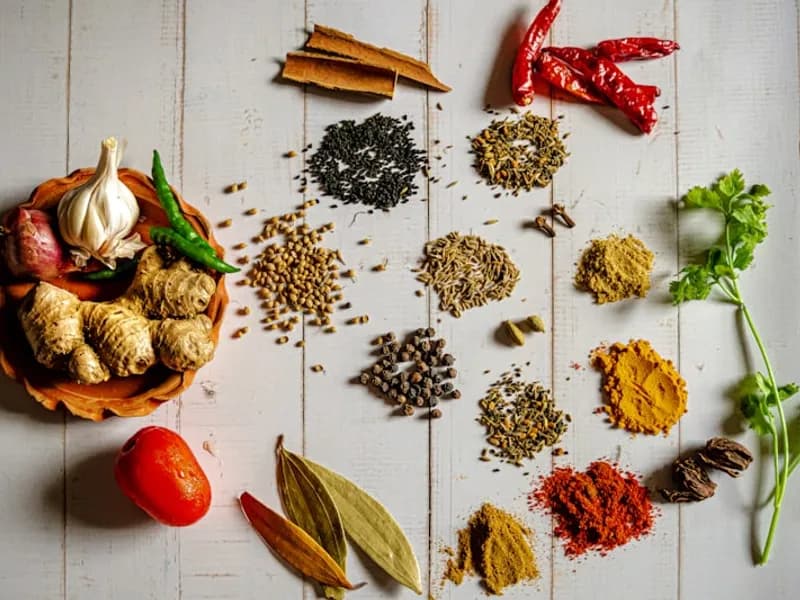
Aromatic base genep and slow cooking
Learn more
A market visit or hands-on cooking class
Always verify
Ingredients, cross-contact and current menu
The short verdict
DFS research in August 2026 shows roughly 2,400 monthly searches around “food in Bali” and about 1,000 around “Balinese food”. That demand belongs to this hub. It should not be split between a thin card grid and a competing generic blog.
Start with a mixed plate or one specialist dish, learn what is actually in it, then decide whether a market or cooking class adds value. Restaurant rankings, fixed menu prices and “best warung” lists expire quickly; cuisine, technique and decision checks remain useful.
Balinese and wider Indonesian dishes overlap, but they are not interchangeable. A cook, region and occasion can change ingredients and preparation. Use the dish pages as orientation and ask the person preparing the food for the exact version.
Choose by purpose
Best first orientation when you want several preparations in one meal.
Check: Ask what each component contains; meat, shrimp paste and peanuts may be present.
Best for understanding spice pastes, slow cooking and local context.
Check: Some dishes are tied to pork or specific preparation traditions; never assume dietary fit.
Best when ingredients and technique matter more than collecting restaurant names.
Check: Confirm tasting, food handling, language, walking and dietary communication.
Best when you want a repeatable skill and ingredient explanation.
Check: Compare menu, hands-on time, class size, substitutions, transport and cancellation.
Food experiences
Check menu, hands-on time, market visit, dietary communication, shared equipment, transport and cancellation for the exact product.
Dish library
Open a card for ingredients, cultural context and a practical home-cooking choice. A dish page is orientation, never a guarantee for every kitchen.
 main-dish
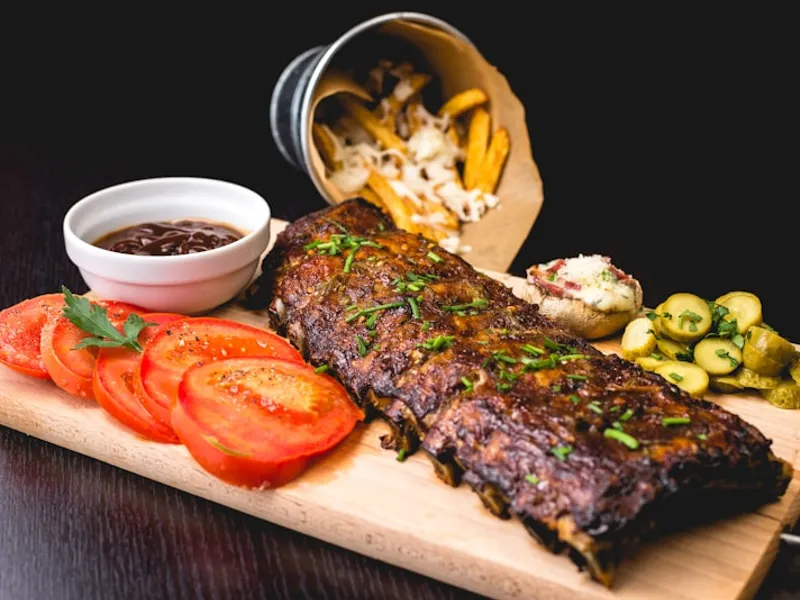
Bali's most celebrated dish — a whole suckling pig stuffed with a rich paste of turmeric, coriander, lemongrass, and chili, then spit-roasted over coconut husks for hours until the skin is impossibly crispy. The meat is tender, aromatic, and deeply spiced, served alongside lawar, crispy skin, blood sausage (urutan), and steamed rice. Originally reserved for ceremonial feasts and temple offerings, babi guling has become the island's ultimate must-try culinary experience.
 main-dish
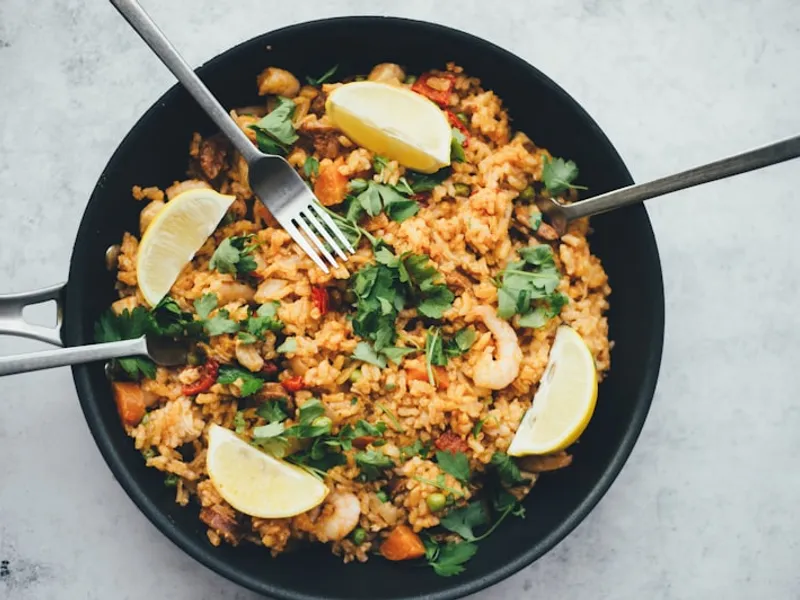
Indonesia's national dish and the backbone of Balinese street food — leftover rice stir-fried in a blazing-hot wok with sweet soy sauce (kecap manis), garlic, shallots, and chili, then topped with a fried egg, prawn crackers, and sliced cucumber. Every warung and street cart serves their own version, and no two plates taste the same. The smoky, slightly sweet, umami-rich flavor makes it one of those simple dishes that is impossible to stop eating.
 main-dish
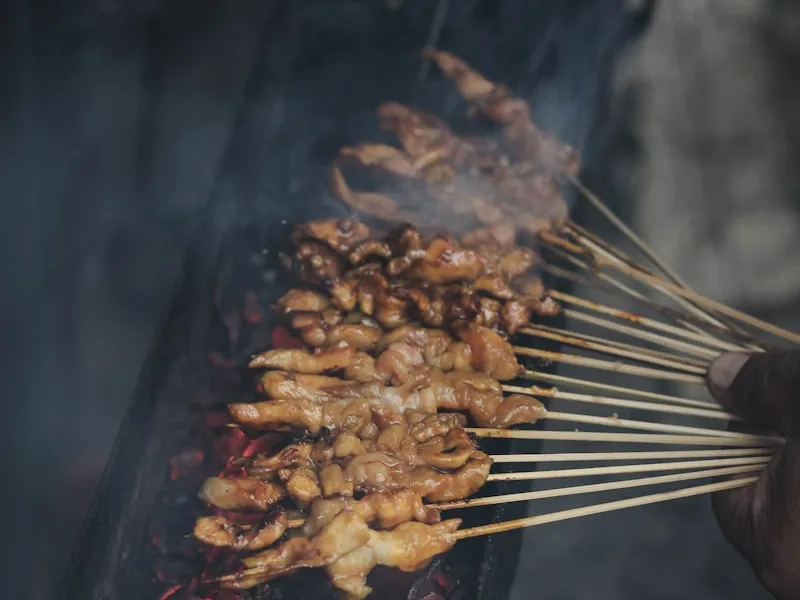
Bali's signature satay — unlike regular skewered satay found elsewhere in Indonesia, sate lilit features a seasoned paste of minced fish (or chicken, pork, or turtle), grated coconut, coconut milk, lime leaves, and lemongrass, hand-wrapped around lemongrass sticks or bamboo skewers and grilled over coconut husks. The result is moist, fragrant, and subtly sweet with the aromatics infusing directly into the meat from the lemongrass handle.
 main-dish
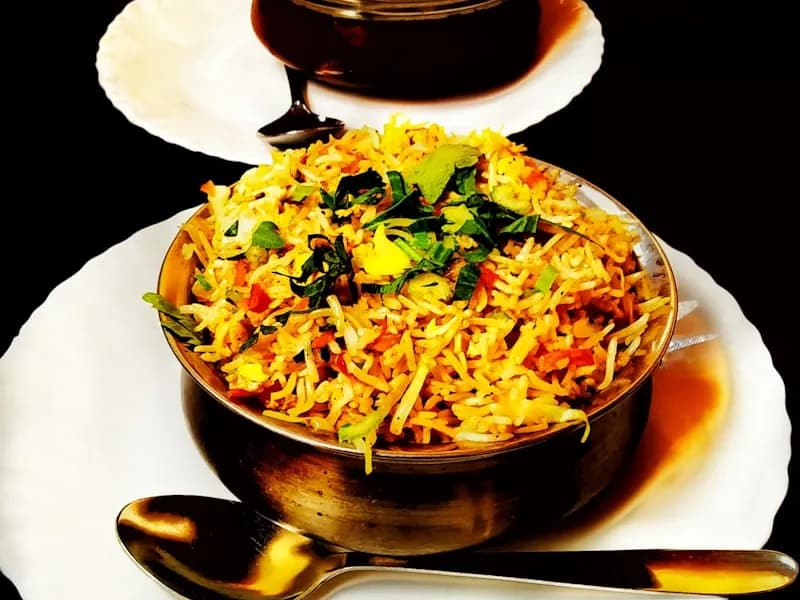
The quintessential Balinese everyday meal — a mound of steamed rice surrounded by small portions of various dishes: shredded chicken or pork, mixed vegetables, sambal, fried peanuts, egg, grated coconut, and crispy shallots. Each warung assembles their own unique combination, making every nasi campur a surprise. It is Bali's answer to a complete, balanced meal at an incredibly affordable price.
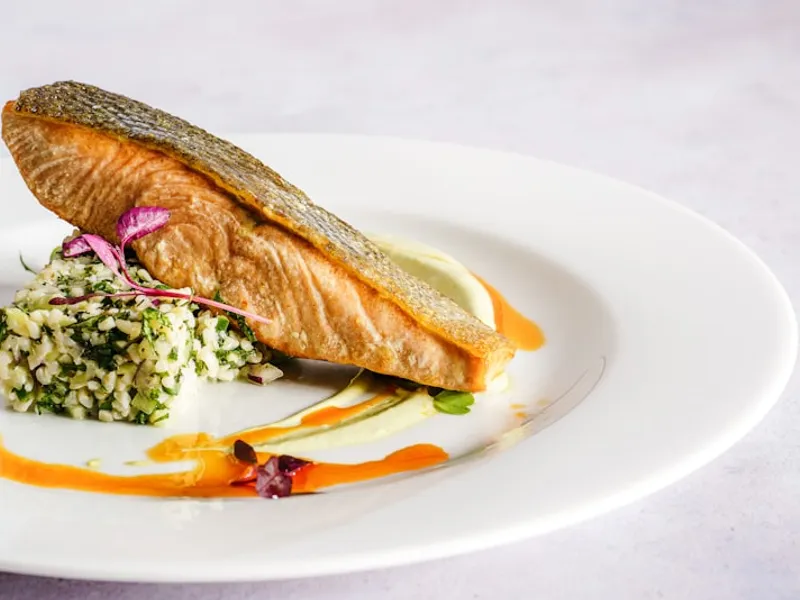 main-dish
One of Bali's grandest ceremonial dishes — a whole duck stuffed with a complex spice paste (base genep) of turmeric, galangal, ginger, shallots, garlic, candlenuts, chili, and shrimp paste, then tightly wrapped in banana leaves and slow-cooked for up to 12 hours until the meat falls off the bone. The result is intensely aromatic, deeply spiced, and meltingly tender with a rich, earthy heat that builds with each bite.
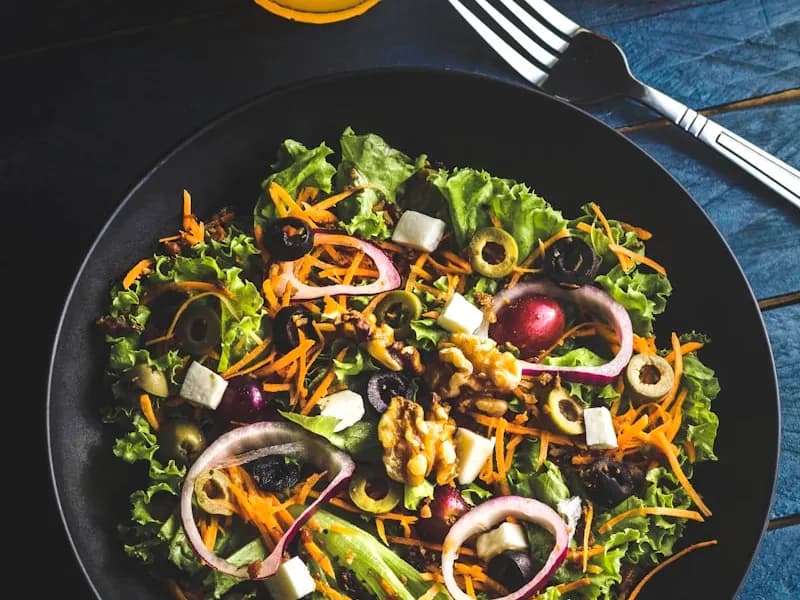 side-dish
A traditional Balinese side dish of finely chopped green beans, grated coconut, minced meat (pork or chicken), and a vibrant spice paste, all mixed together into a richly textured, aromatic salad. The most traditional version, lawar barak (red lawar), includes fresh animal blood for color and flavor depth, while lawar putih (white lawar) omits it. Each bite delivers layers of crunchy, spicy, savory, and coconutty flavor.
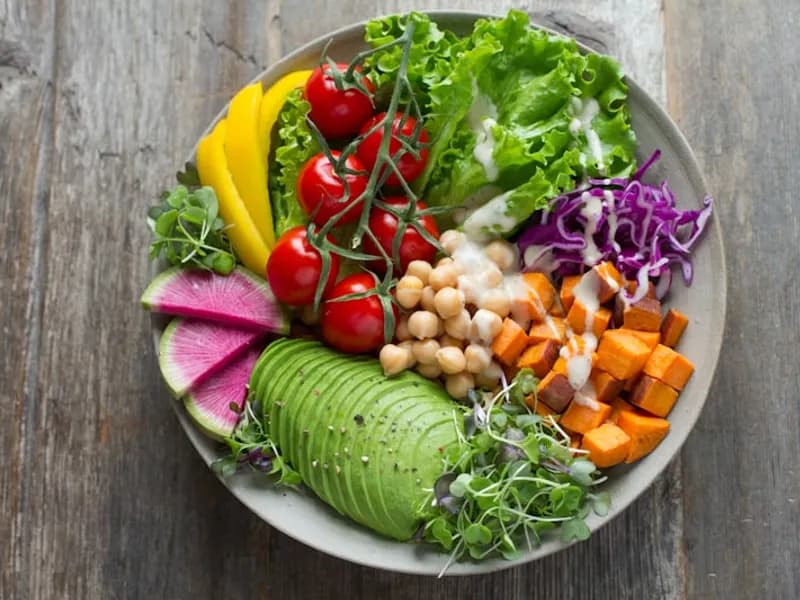 salad
saladIndonesia's beloved vegetable salad — blanched cabbage, bean sprouts, green beans, and spinach layered with fried tofu, tempeh, sliced boiled egg, and lontong (compressed rice cake), then drenched in a creamy, slightly spicy peanut sauce. The sauce is the star: ground roasted peanuts, palm sugar, chili, garlic, tamarind, and lime juice blended into a rich, sweet-savory dressing that ties everything together.
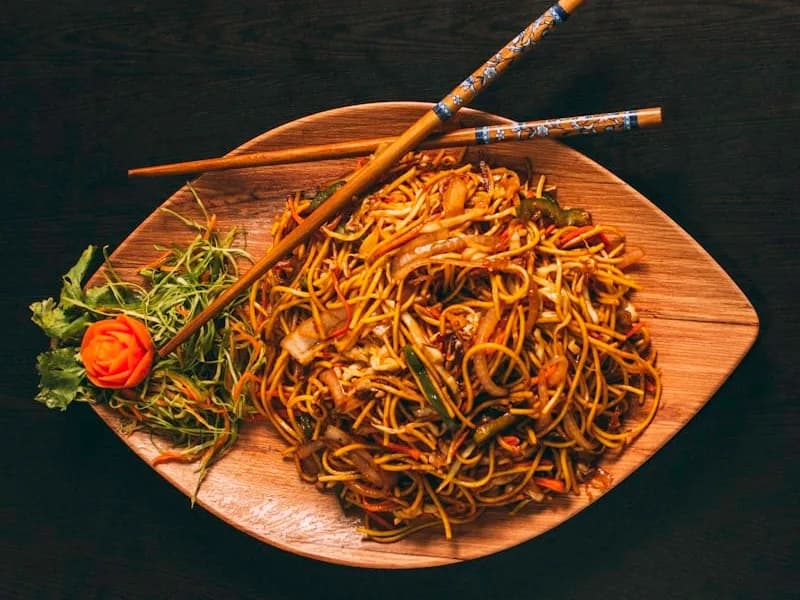 main-dish
The noodle sibling of nasi goreng — egg noodles wok-fried at scorching heat with sweet soy sauce, garlic, shallots, cabbage, and chili, then topped with a fried egg and crunchy prawn crackers. The high heat of the wok gives the noodles a smoky, slightly charred flavor that is completely addictive. Street cart versions with their battered, well-seasoned woks often produce the best results.
 soup
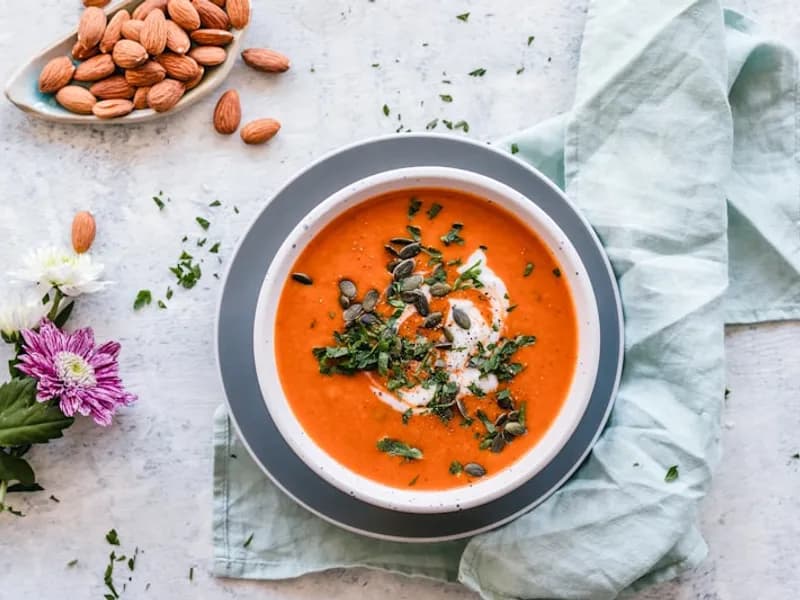
soupA golden, turmeric-infused chicken soup with a fragrant broth built from lemongrass, galangal, garlic, and shallots, served over glass noodles (or rice) with shredded chicken, sliced boiled egg, crispy fried shallots, and a squeeze of fresh lime. The broth is light yet deeply aromatic, warming and restorative — the dish Balinese families turn to for comfort and healing.
 dessert
Bali's favorite snack — ripe bananas coated in a light, crispy batter and deep-fried until golden. The outside shatters into a delicate crunch while the inside becomes warm, caramelized, and custardy. Best eaten piping hot, sometimes drizzled with palm sugar syrup, chocolate sauce, or served with a scoop of coconut ice cream at more modern establishments.
 condiment
Bali's signature raw condiment — thinly sliced shallots, bird's eye chili, lemongrass, and kaffir lime leaves mixed with toasted shrimp paste, fresh lime juice, and warm coconut oil. Unlike cooked sambals, sambal matah is fresh and vibrant with a sharp, citrusy heat and an intoxicating lemongrass aroma. It elevates grilled fish, chicken, and steamed rice from simple to extraordinary.
 main-dish
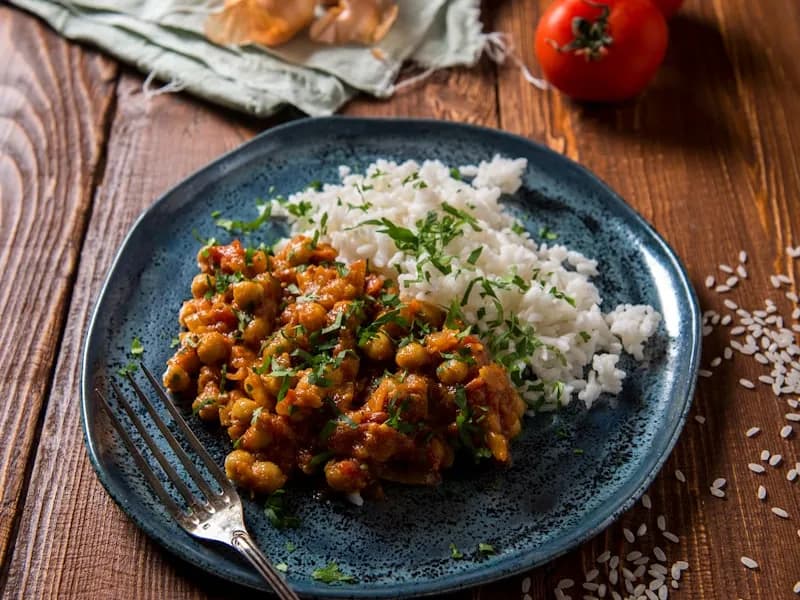
Fragrant rice cooked with fresh turmeric, coconut milk, lemongrass, and pandan leaves, giving it a vivid golden-yellow color and a rich, subtly sweet, aromatic flavor. The turmeric and coconut milk infuse each grain, making it far more flavorful than plain steamed rice. Often shaped into a cone (tumpeng) for ceremonial occasions or served as the base for nasi campur.
Vegetarian, vegan, halal and gluten-free labels can be useful starting points, but they do not prove ingredients or cross-contact. Ask about shrimp paste, fish sauce, stock, pork, lard, egg, dairy, wheat and shared oil or utensils as relevant.
For an allergy, describe the exact ingredient and reaction risk before ordering. If communication or process is unclear, choose a simpler alternative; no guide can certify an individual kitchen.
WHO’s Five Keys are: keep clean, separate raw and cooked, cook thoroughly, keep food at safe temperatures, and use safe water and raw materials. CDC travel guidance adds caution around raw or undercooked food and water when safety is uncertain.
Common questions
Balinese food is known for layered spice pastes, coconut, sambal and dishes such as ayam or bebek betutu, sate lilit, lawar and babi guling. Nasi campur is a practical first plate because it combines several preparations, but ingredients vary by cook.
Start with a freshly prepared nasi campur or a dish-specific warung where the staff can explain the components. Then choose one specialist dish, a market visit or a cooking class according to your dietary needs and interest.
No. Sambal and spice pastes can be hot, but heat varies by dish and kitchen. Ask whether sambal can be served separately; “not spicy” is interpreted differently, so explain your tolerance clearly.
Options exist, but labels do not prove ingredients or preparation. Ask specifically about shrimp paste, fish sauce, stock, egg, dairy, pork, lard and shared cooking equipment. For allergies or religious requirements, explain the exact restriction before ordering.
Food totals vary sharply by area, venue, menu, taxes and service charges. Compare the current menu and complete bill for the exact venue rather than relying on a fixed island-wide price table.
No choice removes all risk. WHO recommends keeping food clean, separating raw and cooked items, cooking thoroughly, keeping food at safe temperatures and using safe water and raw materials. CDC travel guidance recommends care with raw or undercooked food and water when safety is uncertain.