Welkom op Bali — laat je inspireren en plan jouw droomreis.
Nasi Goreng

BALINESE FOOD GUIDE

Nasi Goreng

Fried Rice

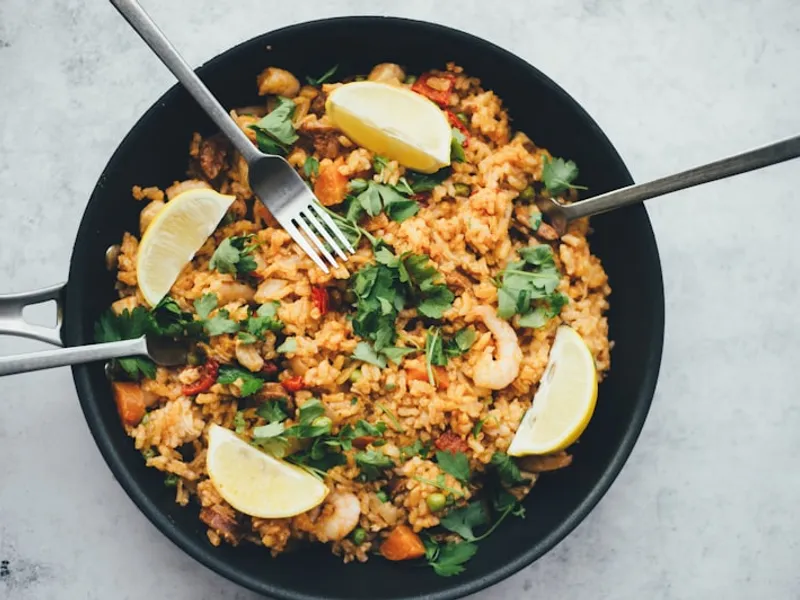
Indonesia's national dish and the backbone of Balinese street food — leftover rice stir-fried in a blazing-hot wok with sweet soy sauce (kecap manis), garlic, shallots, and chili, then topped with a fried egg, prawn crackers, and sliced cucumber. Every warung and street cart serves their own version, and no two plates taste the same. The smoky, slightly sweet, umami-rich flavor makes it one of those simple dishes that is impossible to stop eating.

Nederlandse versie in redactie. Deze pagina blijft buiten Google totdat de tekst als zelfstandige Nederlandse gids is bewerkt.

Spice level

Mild

Cooking difficulty

Easy

Preparation

15 minutes

Where it belongs

Central Bali

TASTE & CONTEXT

What makes Nasi Goreng distinctive?

Nasi goreng achieves something rare in cooking — it is simultaneously humble and extraordinary. The base recipe is a handful of ingredients that every Indonesian cook knows instinctively: day-old rice (fresh rice is too moist and clumps in the wok), garlic, shallots, and kecap manis. But the execution elevates everything. The wok must be screaming hot — preferably a carbon-steel wok seasoned over years of high-heat cooking — producing the characteristic smoky char called 'wok hei' that defines great fried rice across all of Asia. In Bali, nasi goreng takes on distinctly local character. Terasi (shrimp paste) is almost always included, adding a deep, fermented umami backbone. Sambal adds heat. The choice of protein ranges from ayam (chicken) to babi (pork) in Hindu-Bali warungs, to fresh fish in coastal villages. The garnish is its own ritual: a telur mata sapi (fried egg with a runny yolk) positioned on top, flanked by kerupuk udang (prawn crackers) that shatter against the soft rice, sliced cucumber and tomato for freshness, and a drizzle of additional kecap manis over everything. The smell of nasi goreng at a street cart in the evening — garlic and shrimp paste hitting a hot wok — is arguably the most evocative food smell in Bali.

IN THE KITCHEN

How it is traditionally made

Day-old rice is essential — freshly cooked rice contains too much moisture. A wok is heated to extremely high temperature until smoking. Shallots, garlic, bird's eye chili, and terasi (shrimp paste) are fried in palm or coconut oil until aromatic. The rice is added and spread across the hot wok surface without stirring, allowing a slight crust to form before tossing. Kecap manis (sweet soy sauce) is added and folded through, coloring the rice a rich dark brown while adding sweetness. An egg may be scrambled directly into the wok or fried separately on top. The whole process takes 10-15 minutes and the high heat must be maintained throughout to achieve the essential smoky wok flavor.

TRY IT IN BALI

Where and how to order

Available at virtually every warung and street food cart across Bali. For exceptional versions, try the night markets in Gianyar and Denpasar, or Warung Babi Guling Pak Malen in Seminyak which does a superb pork nasi goreng.

Nasi goreng is so deeply embedded in Indonesian identity that it was declared the country's official national dish. Born from the practical need to use leftover rice (discarding rice is considered wasteful), it reflects the Indonesian philosophy of resourcefulness. In Bali, you will find it at every meal — breakfast, lunch, and dinner — and it is often the cheapest and most satisfying option on any menu.

Explore the Bali street-food guide

VARIATIONS

Why two plates may differ

Nasi goreng Bali: Includes terasi, sambal matah or sambal plecing, and often pork or seafood given Bali's Hindu majority — distinctly more aromatic than Javanese versions.
Nasi goreng Jawa (Java): Uses tempeh, heavier kecap manis, and a spicier sambal, often with vegetables folded in rather than served alongside.
Nasi goreng merah (Sulawesi/Maluku): Uses bottled tomato or chili sauce instead of kecap manis, resulting in a bright red, less sweet version.
Nasi goreng kambing (goat fried rice): A Betawi (Jakarta) specialty using slow-cooked goat meat and distinct spicing including cumin.