Welkom op Bali — laat je inspireren en plan jouw droomreis.
Mie Goreng

BALINESE FOOD GUIDE

Mie Goreng

Fried Noodles

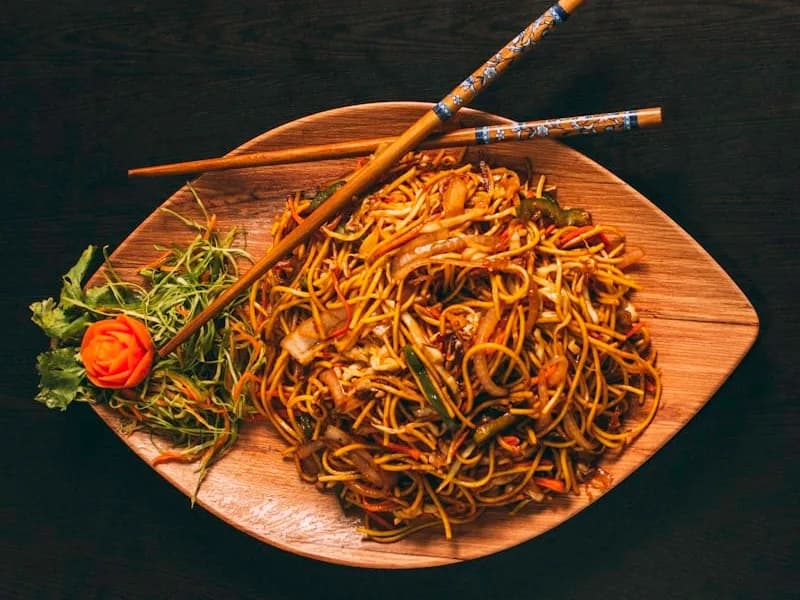
The noodle sibling of nasi goreng — egg noodles wok-fried at scorching heat with sweet soy sauce, garlic, shallots, cabbage, and chili, then topped with a fried egg and crunchy prawn crackers. The high heat of the wok gives the noodles a smoky, slightly charred flavor that is completely addictive. Street cart versions with their battered, well-seasoned woks often produce the best results.

Nederlandse versie in redactie. Deze pagina blijft buiten Google totdat de tekst als zelfstandige Nederlandse gids is bewerkt.

Spice level

Mild

Cooking difficulty

Easy

Preparation

15 minutes

Where it belongs

Central Bali

TASTE & CONTEXT

What makes Mie Goreng distinctive?

Mie goreng and nasi goreng are the twin pillars of Indonesian street food — interchangeable in concept, executed identically, the choice between them mostly one of mood and appetite. Where nasi goreng uses day-old cooked rice, mie goreng uses egg noodles — thick, wheat-based, yellow from egg yolk, and resilient enough to handle high-heat wok cooking without disintegrating. The key challenge is achieving the right texture: noodles that are cooked through but still have a slight bite, with edges that catch the wok heat and develop light char marks. The sequence of cooking is nearly identical to nasi goreng: a screaming-hot wok, oil that shimmers at the edge of smoking, shallots and garlic dropped in first until golden and fragrant, followed by terasi (shrimp paste) if included, then vegetables (usually cabbage, carrot, and spring onion), then the noodles, kecap manis, sambal, and a splash of kecap asin (light soy sauce). Some cooks add a beaten egg directly into the wok and scramble it into the noodles; others fry it separately and place it on top as a topping. In Bali, the most memorable mie goreng comes from gerobak (street carts) that set up after dark along the island's major roads — battered aluminum woks blackened with years of use, a small kerosene burner generating improbable heat, and a cook who can produce a plate in four minutes flat. The smells travel further than you would expect at night, and following them is never a mistake.

IN THE KITCHEN

How it is traditionally made

Fresh or rehydrated dried egg noodles are pre-cooked in boiling water until just tender, then drained and set aside. A wok is heated to maximum heat and oil added. Shallots, garlic, and optionally terasi (shrimp paste) are fried briefly until aromatic. Bird's eye chili is added. Vegetables — cabbage, carrot, chives — go in and are stir-fried on high heat for 2 minutes. The noodles are added, spread across the wok surface, and pressed without stirring to develop slight char marks before tossing. Kecap manis, kecap asin, and sambal are added and folded through. A fried egg is placed on top. Garnish: fried shallots, kerupuk udang (prawn crackers), sliced tomato and cucumber.

TRY IT IN BALI

Where and how to order

Night markets in Gianyar and Denpasar serve outstanding versions from dedicated noodle carts. Warung Made in Seminyak is popular with tourists, while the roadside carts (gerobak) that set up along Bali's main roads after dark offer the most authentic street-food experience.

Mie goreng reflects the strong Chinese culinary influence on Indonesian cuisine, brought by Chinese merchants and immigrants over centuries. In Bali, it has been fully adopted and localized — you will find it on every menu alongside nasi goreng. It is a popular late-night meal, with mie goreng carts lighting up Bali's streets after sundown, and is often the go-to comfort food for Balinese of all ages.

Explore the Bali street-food guide

VARIATIONS

Why two plates may differ

Mie goreng Jawa (Javanese): Uses thick, softer flat wheat noodles with more kecap manis, giving a sweeter flavor profile and deeper brown color.
Mie goreng seafood (coastal Bali): Replaces chicken or pork with fresh cumi (squid), udang (prawns), or fish — a lighter, more aromatic version found along Jimbaran and Sanur.
Mie goreng pedas (spicy version): Extra sambal and fresh bird's eye chili make this the preferred version for those who want genuine heat alongside their street-cart noodles.
Mie goreng instant (Indomie): Technically a subcategory — the iconic instant noodle brand Indomie produces a mie goreng instant variety that is one of the most consumed foods in Indonesia, with a global following.