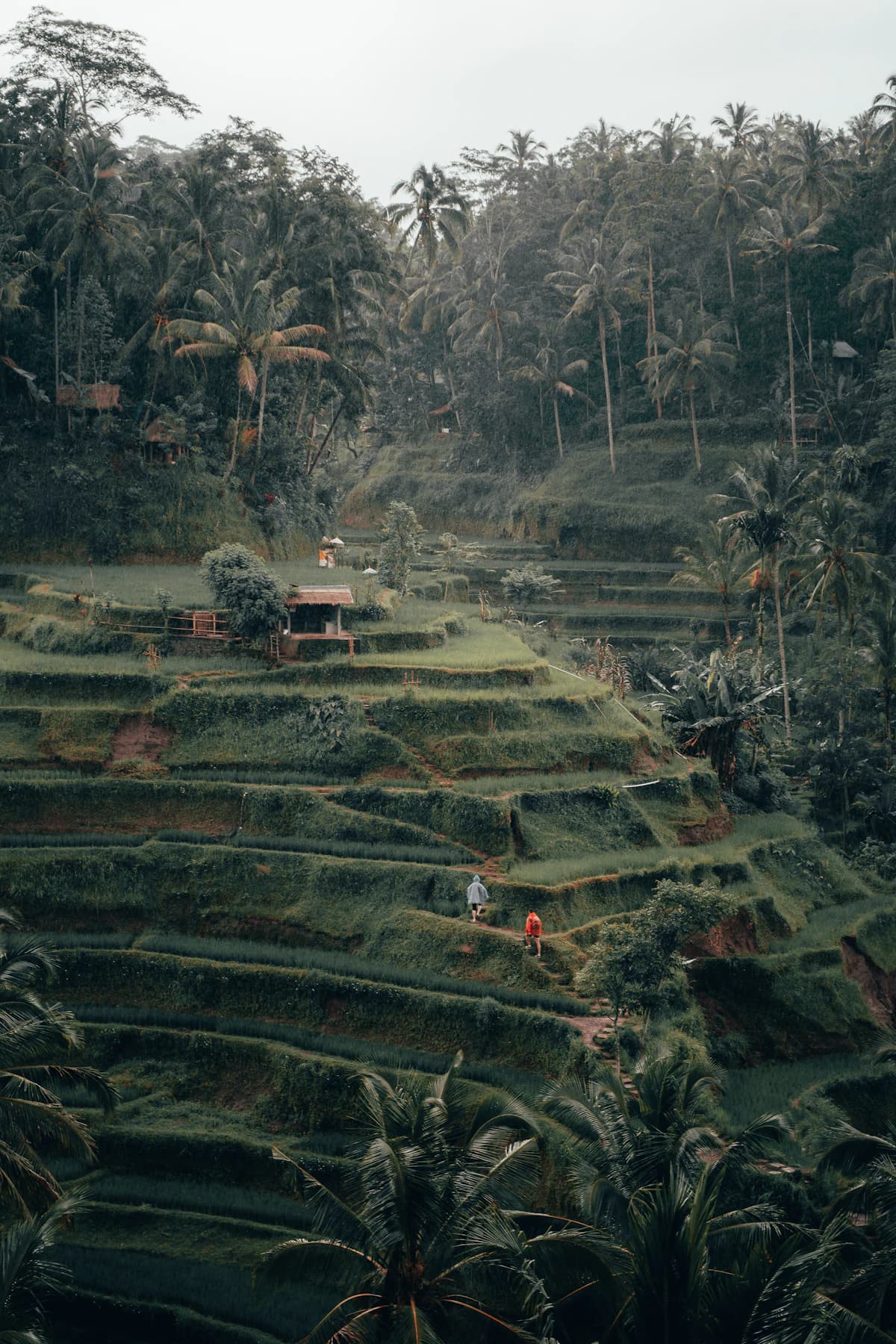
Ubud
Best for: Culture, wellness & inland nature
Less suitable for: A beach-first trip
Feel: Green, cultural, busy in the centre
Getting around: Walkable core; driver useful outside it
A neighborhood-by-neighborhood breakdown of Bali's top areas, from the luxury boutiques of Seminyak to the rice terrace retreats of Ubud, helping you pick the perfect base for your trip.
Choosing where to stay in Bali can make or break your holiday. The island's distinct neighborhoods each cater to different travel styles, budgets, and interests, and picking the wrong base can mean hours wasted in traffic trying to reach the experiences you actually came for. Bali has no single city center. Instead, it is a patchwork of towns and villages, each with its own character. The southern tourist corridor running from Kuta through Seminyak to Canggu is where most visitors stay, offering the easiest access to beaches, restaurants, and nightlife. Inland, Ubud provides a completely different experience centered on art, spirituality, and nature. Further afield, areas like Uluwatu, Nusa Dua, and Sanur offer their own distinct advantages. This guide compares seven of Bali's most popular areas with honest assessments of what each does well and where it falls short. Whether you are a couple seeking romantic cliff-top villas, a digital nomad hunting for fast WiFi and good coffee, or a family wanting calm beaches and resort pools, there is a neighborhood in Bali that fits your needs perfectly.
The short answer
Bali is not one compact resort town. A beautiful hotel in the wrong area can add hours of driving. Pick the atmosphere and daily routine first, then compare properties for your actual dates.
Split the stay: Ubud plus Sanur, Seminyak or Uluwatu.
Start with Sanur or Nusa Dua; check the exact beach and pool setup.
Uluwatu for scenery, Ubud for nature, Seminyak for dining.
Canggu for accessibility; Uluwatu for experienced surfers and cliff beaches.
Consider Sanur, Sidemen or Amed instead of the busiest southwest coast.
Use two bases at most so hotel changes do not consume the trip.
Compare the bases
Travel times change with traffic. Treat “nearby” as a route to check, not a promise.
Best for: Culture, wellness & inland nature
Less suitable for: A beach-first trip
Feel: Green, cultural, busy in the centre
Getting around: Walkable core; driver useful outside it
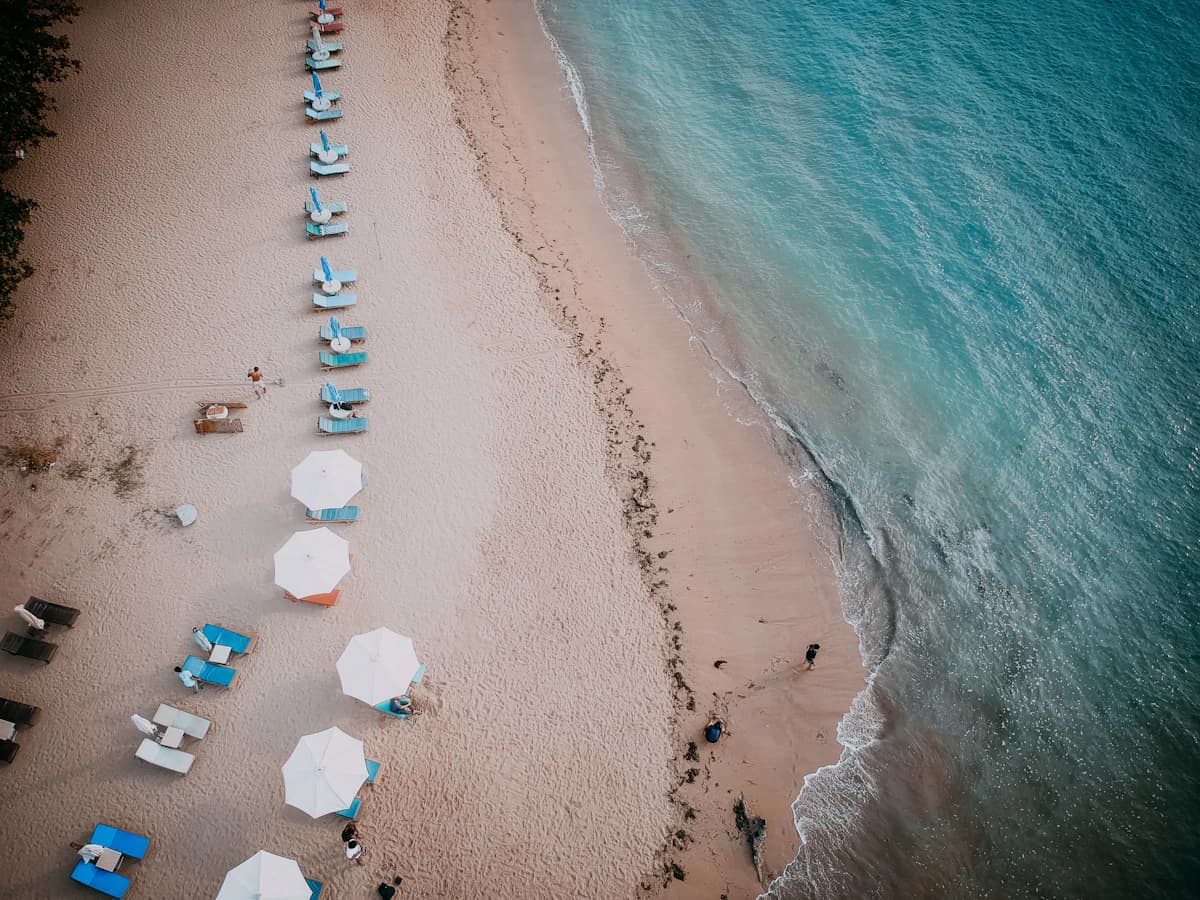
Best for: Families, calmer mornings & island boats
Less suitable for: Late-night clubbing
Feel: Relaxed and established
Getting around: Easy promenade; useful east-coast base
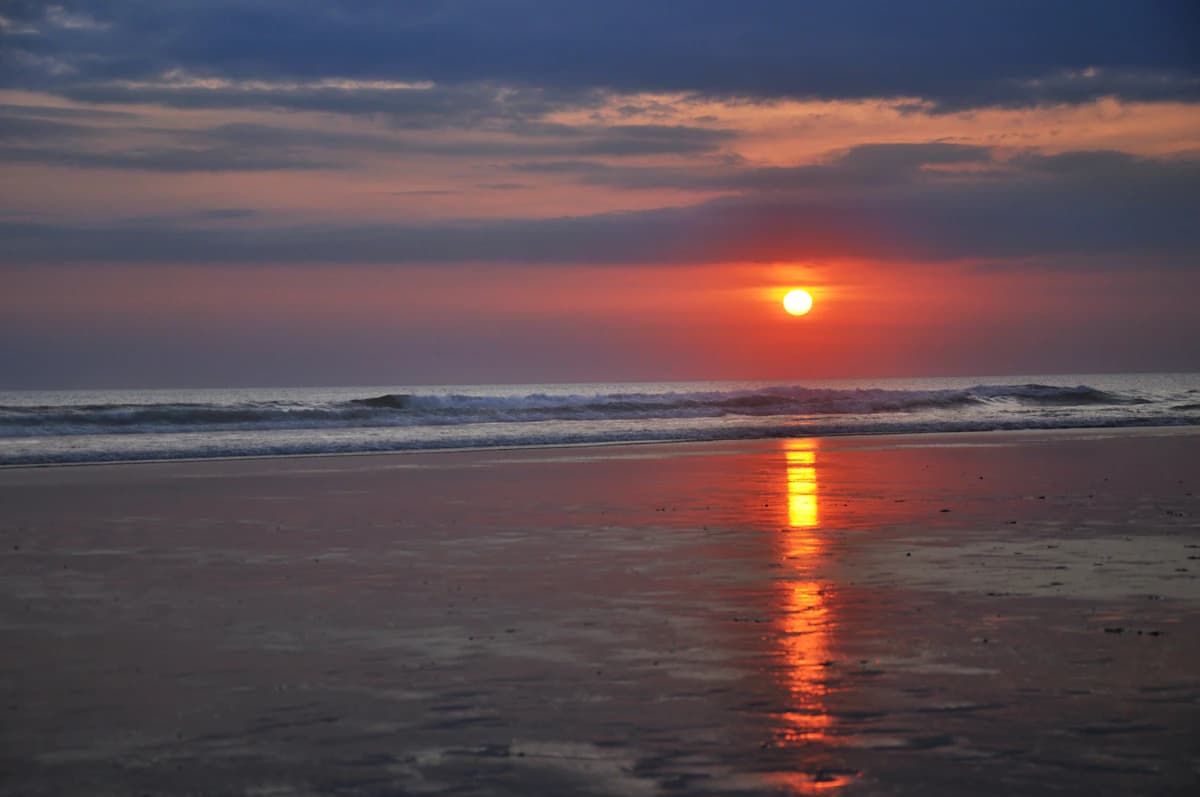
Best for: Dining, shopping & polished nightlife
Less suitable for: Quiet or low-traffic surroundings
Feel: Stylish, social and developed
Getting around: Choose a walkable pocket carefully
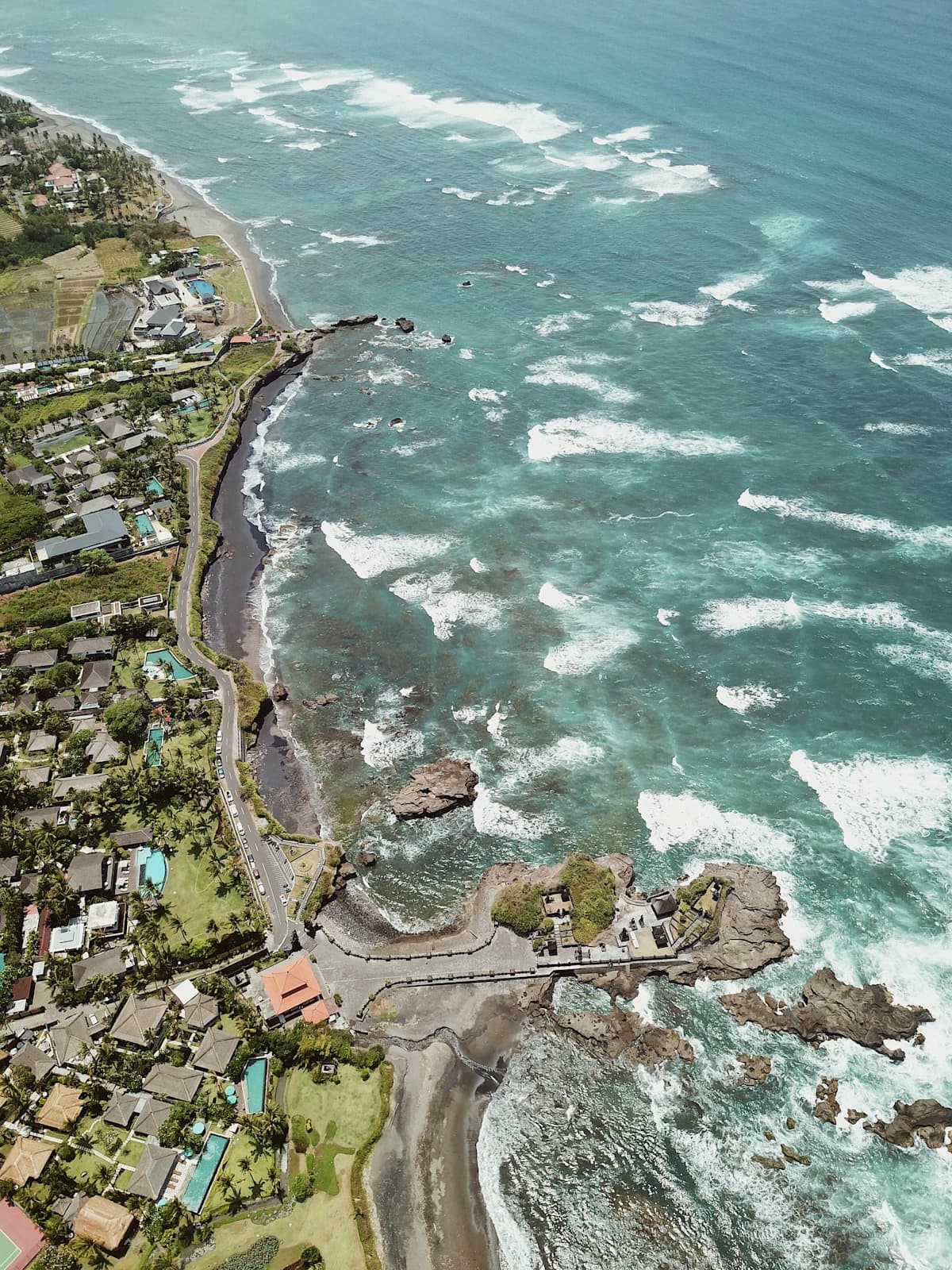
Best for: Surf, cafés & a social stay
Less suitable for: Calm swimming and simple traffic
Feel: Energetic, spread out and busy
Getting around: Location matters; roads can be slow
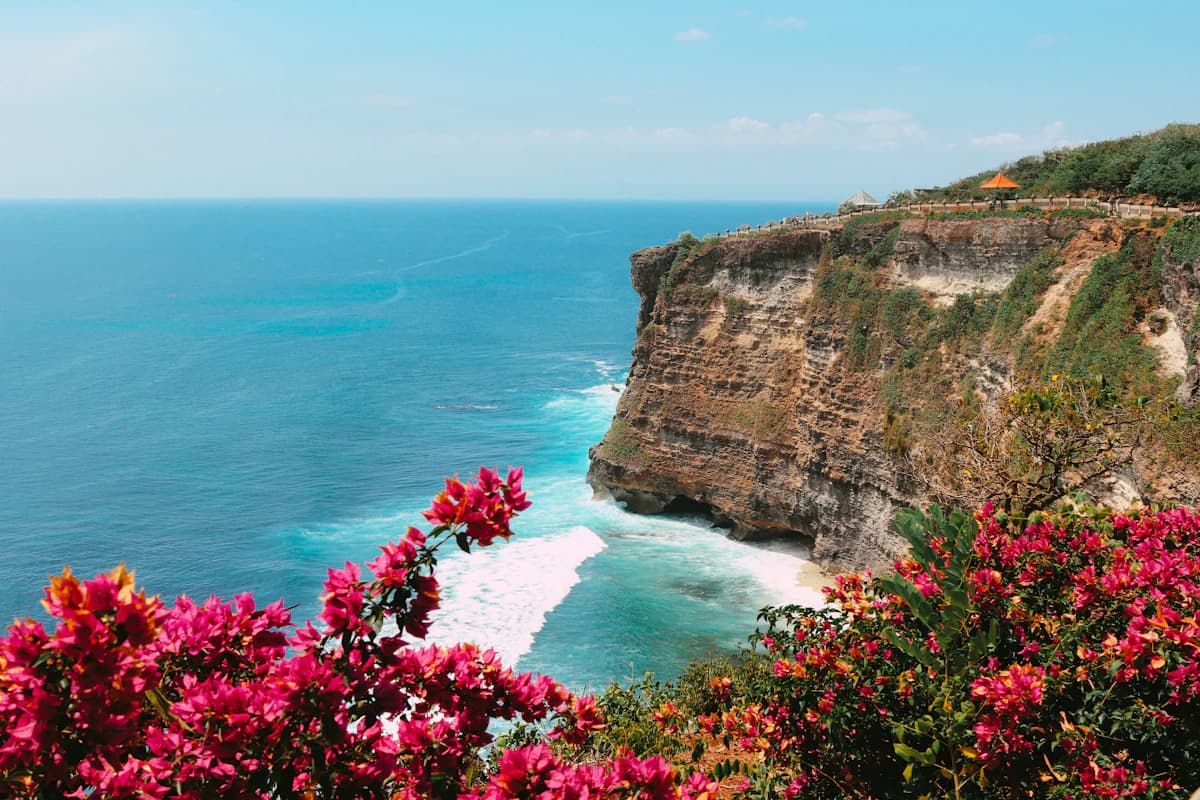
Best for: Cliffs, surf & romantic stays
Less suitable for: Walking everywhere
Feel: Scenic, dispersed and beach-focused
Getting around: Transport needed between beaches
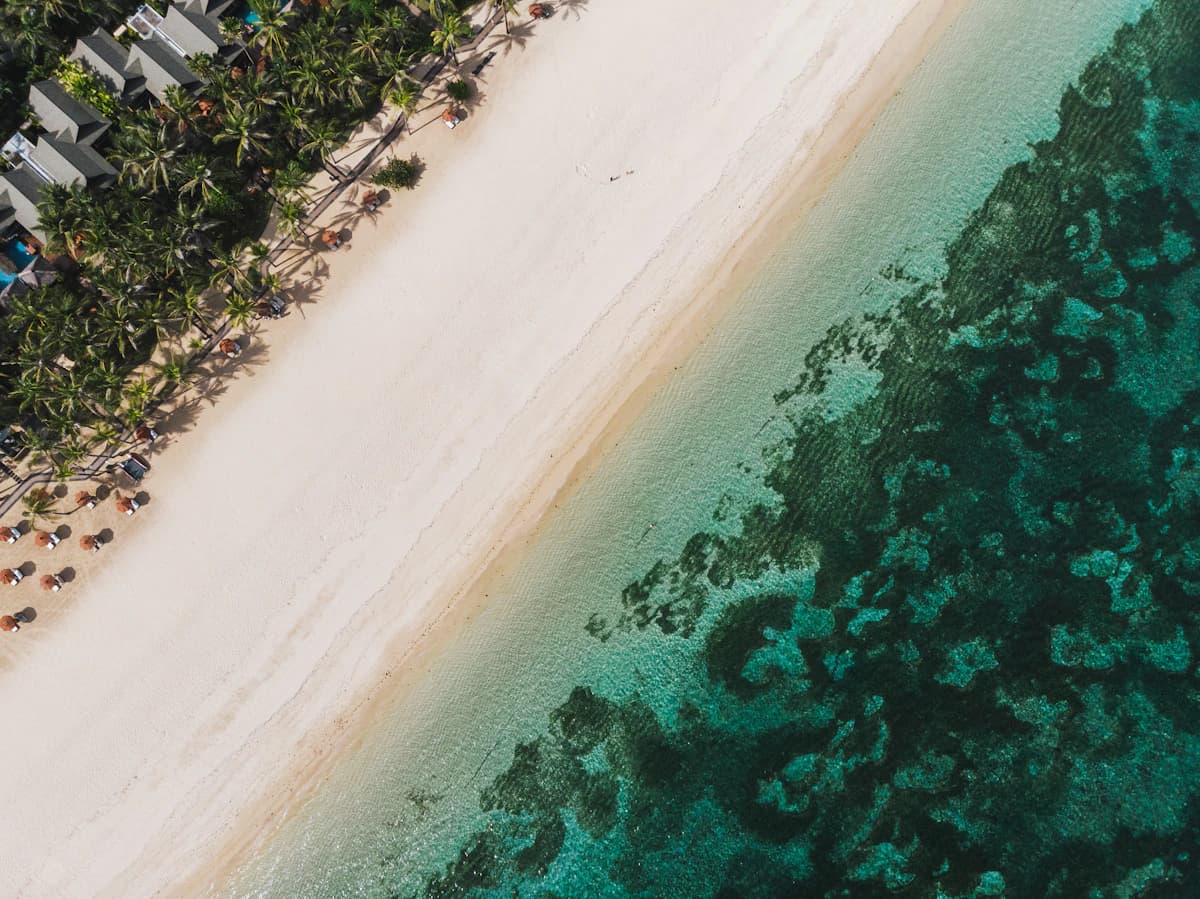
Best for: Resort ease & calmer beach time
Less suitable for: Independent neighbourhood atmosphere
Feel: Orderly, quiet and resort-led
Getting around: Easy inside resorts; less central for exploring
Affiliate disclosure: we may earn a commission when you book through a partner link, at no extra cost to you. We do not rank an area because of commission.
A practical route rule
For a week, choose no more than two bases. Pair an inland stay such as Ubud with one coast that matches your beach style. This creates variety without turning the holiday into repeated checkout and traffic.
Before you book
Seminyak is Bali's most polished and cosmopolitan area, where upscale boutique hotels, world-class restaurants, and fashionable beach clubs line the streets. Located on the southwest coast just north of Kuta, Seminyak attracts couples, style-conscious travelers, and anyone who wants resort-quality comfort with walkable access to dining and shopping. The accommodation ranges from sleek boutique hotels like The Legian and W Bali to private pool villas tucked down quiet gang (alleyways) that rent for a fraction of what they would cost in Europe or the US. Eat Street (Jalan Kayu Aya) and the Petitenget area are packed with restaurants serving everything from modern Indonesian fine dining to Japanese omakase, Italian trattorias, and organic brunch spots. Seminyak's beach is wide and sandy with reliable sunset views, though the surf can be rough for swimming. Beach clubs like Potato Head, Ku De Ta, and La Plancha define the area's social scene with sunset DJs, cocktail menus, and infinity pools overlooking the ocean. At night, the action shifts to cocktail bars and clubs along Jalan Petitenget and Jalan Oberoi. The main downside is traffic. Seminyak's narrow one-way streets become gridlocked during peak hours, especially around 5:00 to 8:00 PM. Walking or riding a scooter is often faster than taking a car during these times.
💡 Seminyak is ideal for couples and food lovers who want Bali's best dining scene within walking distance of their accommodation.
Ubud sits in Bali's green interior among rice fields, river valleys and villages. Central Ubud brings restaurants, shops, performances and the Monkey Forest closer together; the surrounding villages trade walkability for quieter mornings and wider views. That distinction matters when choosing accommodation. A property described as Ubud may be well outside the centre, so check the exact map pin and recent access reviews. Central stays suit visitors who want to walk to dinner, while Penestanan, Sayan and northern villages work better for space, nature and resort time. Ubud is a strong base for culture, wellness and central-Bali day trips, but it is not a convenient substitute for a beach stay. Combine it with one coast when both inland experiences and beach time matter.
💡 Ubud is perfect for travelers who prioritize culture, wellness, and nature over beach access and nightlife.
Canggu has undergone a remarkable transformation from quiet farming village to Bali's coolest neighborhood in just a decade. Located on the southwest coast between Seminyak and Tanah Lot, Canggu attracts digital nomads, surfers, young couples, and creative types who want a hip lifestyle without Seminyak's polish or prices. The area is defined by its surf breaks. Echo Beach and Batu Bolong are the main hubs, with Batu Bolong offering gentler waves ideal for beginners and Echo Beach delivering more powerful swells for experienced surfers. Between the beaches, a network of narrow roads winds past rice paddies, co-working spaces, brunch cafes, and boutique fitness studios. Canggu's co-working scene is one of the best in Southeast Asia. Spaces like Dojo Bali, Outpost, and The Slow offer fast internet, comfortable workspaces, and built-in communities of remote workers. This infrastructure, combined with affordable villa rentals and a vibrant social scene, has made Canggu a top destination for location-independent workers. The food scene leans heavily toward health-conscious international cuisine: acai bowls, smashed avocado toasts, poke bowls, and specialty coffee. For nightlife, Canggu offers a more casual alternative to Seminyak, with live music venues, sunset bars like The Lawn and Finns Beach Club, and the infamous Old Man's bar where backpackers and surfers mix over cheap Bintang beers.
💡 Canggu offers the best value-for-lifestyle ratio in Bali, with modern villas, fast WiFi, and a social scene at significantly lower prices than Seminyak.
Kuta is Bali's long-established tourist hub near the airport, with a broad beach, dense hotel supply, shopping centres and casual dining. It can work for a short first or final night and for visitors who want many services close together. The trade-off is atmosphere: Kuta is busy, commercial and often congested. The beach can suit beginner surf lessons in appropriate conditions, but swimming conditions change and visitors should follow local flags. Compare current accommodation totals rather than assuming Kuta is always the cheapest option; location, reviews and inclusions still matter.
💡 Kuta is best for budget travelers, first-timers who want everything within walking distance, and anyone with early flights out of Bali.
Nusa Dua is Bali's purpose-built resort enclave on the southeastern coast, designed specifically for luxury travelers and families who want predictable quality, calm swimming beaches, and a secure, manicured environment. The area is anchored by a gated resort complex that houses major international hotel brands including St. Regis, Sofitel, Hilton, Westin, and Mulia. The defining feature of Nusa Dua is its beach. Unlike the powerful surf beaches on Bali's west coast, Nusa Dua's coastline faces east and is protected by an offshore reef, creating calm, shallow waters ideal for swimming with children. The white sand is clean and well-maintained, and the water is a striking turquoise that you will not find on Bali's western beaches. Within the resort complex, everything is orderly and well-maintained: wide roads, manicured landscaping, and a paved beachfront promenade that runs the length of the area. The Bali Collection shopping and dining complex provides restaurants and shops within walking distance of the major hotels. The tradeoff is isolation from authentic Balinese culture. Nusa Dua feels more like a tropical resort compound than a Balinese village. Restaurants and services within the enclave carry resort-level pricing, and reaching other parts of Bali requires a 30 to 60-minute drive depending on traffic. For travelers who want to explore widely, this location feels remote. For those who want to unplug at a world-class resort with calm beaches, it delivers exactly that.
💡 Nusa Dua often suits families seeking resort facilities and relatively sheltered beach sections; always assess current sea conditions and the exact property beach.
The Uluwatu area on Bali's southern Bukit Peninsula has emerged as one of the island's most desirable destinations, offering dramatic limestone cliff scenery, legendary surf breaks, and a growing collection of boutique hotels and cliff-edge infinity pool bars. This is where Bali's natural beauty is at its most raw and spectacular. Uluwatu's coastline is defined by towering limestone cliffs rather than wide sandy beaches. Beaches here are accessed via steep staircases carved into the cliff face, which adds to their secluded, hidden-paradise character. Padang Padang, Bingin, Dreamland, and Suluban (Blue Point) each have their own personality, from the tiny cove of Padang Padang made famous by the film Eat Pray Love to the barrel waves of Uluwatu reef break that attract professional surfers from around the world. Accommodation in Uluwatu ranges from surfer hostels along the Bingin cliff to high-end boutique resorts like Alila Villas Uluwatu and The Edge Bali, which offer private infinity pools perched directly above the ocean. The area has also developed a strong food and bar scene, with cliff-top venues like Single Fin and Ulu Cliffhouse offering sunset sessions with panoramic ocean views. The main consideration with Uluwatu is access. The Bukit Peninsula is connected to the rest of Bali by increasingly congested roads, and reaching Ubud or even Seminyak can take 60 to 90 minutes in traffic. This area works best for travelers who want to settle in and enjoy the immediate surroundings rather than using it as a base for island-wide exploration.
💡 Uluwatu is the top choice for experienced surfers, honeymooners seeking dramatic cliff-top settings, and travelers who want Bali's most spectacular natural scenery.
Sanur is Bali's oldest beach resort area, located on the southeastern coast about 25 minutes from the airport. It has a distinctly different character from the flashy west coast strip: quieter, more mature, and genuinely relaxed. Often called the French Riviera of Bali by long-term expats, Sanur attracts families, older travelers, and anyone who prefers a peaceful seaside town over a party destination. The centerpiece of Sanur is its paved beachfront promenade stretching over 5 kilometers, perfect for morning walks, cycling, and sunset strolls. The beach itself faces east (making it Bali's best sunrise spot) and is protected by a reef that creates calm, shallow lagoon conditions ideal for swimming and stand-up paddleboarding. Several small traditional fishing boats (jukung) line the shore, adding photogenic charm. Sanur's dining scene is understated but excellent. French bakeries, Italian restaurants, seafood warungs, and a growing number of specialty coffee shops line Jalan Danau Tamblingan, the main street that runs parallel to the beach. Accommodation ranges from heritage hotels like the Inna Grand Bali Beach (Bali's first high-rise hotel from the 1960s) to modern boutique properties and family-friendly resorts. Sanur is also the main departure point for fast boats to Nusa Lembongan, Nusa Penida, and the Gili Islands, making it a practical base if island-hopping is part of your plan. The area's central east-coast location also means relatively easy access to both Ubud (45 minutes) and the airport (25 minutes).
💡 Sanur offers the best combination of calm beaches, authentic character, and central location for travelers who want peace without isolation.
Book hotels, tours, and transport through our trusted partners.
Affiliate links: we may earn a commission at no extra cost to you. Prices and availability are set by the provider.
From ancient temples perched on sea cliffs to emerald rice terraces carved into volcanic hillsides, discover the must-visit destinations that make Bali one of the world's most enchanting islands.
📍Escape the tourist crowds and discover Bali's best-kept secrets, from the untouched Sidemen valley and thundering Sekumpul Waterfall to the dramatic cliffs of Nusa Penida.
📍Navigate Seminyak's distinct micro-neighborhoods, from the upscale dining of Petitenget to the chilled-out cafes of Batu Belig, and find the perfect pocket of Bali's most stylish area.