Culture, nature and calm
Uluwatu
Uluwatu at a glance
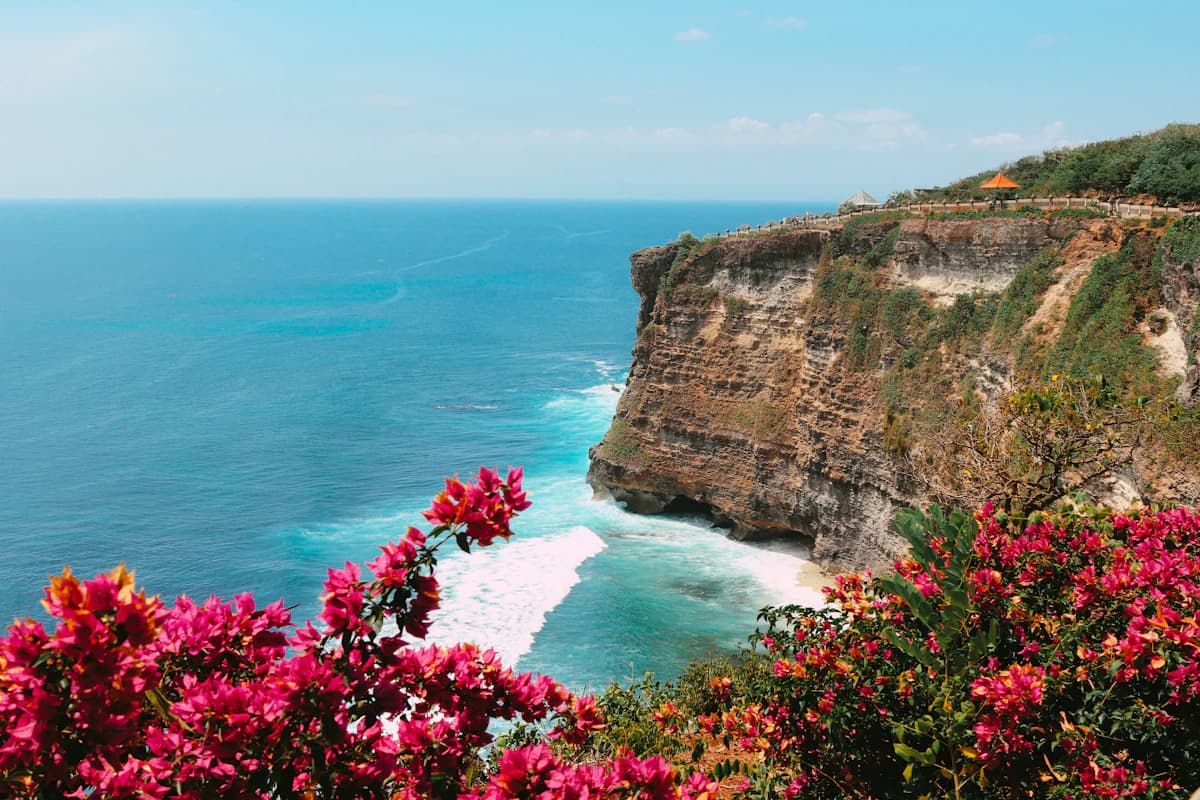
Perched dramatically on the southwestern cliffs of the Bukit Peninsula, Uluwatu is one of Bali's most spectacular destinations for travelers seeking world-class surfing, cultural experiences, and breathtaking ocean views. Home to the iconic Uluwatu Temple and hidden white sand beaches like Padang Padang and Balangan tucked beneath towering limestone cliffs, this region offers a unique blend of adventure and spirituality. With a population of just 28,000, Uluwatu maintains an exclusive feel despite its popularity, attracting digital nomads, surfers, and sunset seekers. The area is notably drier and sometimes hotter than central Bali, creating perfect conditions for beach clubs and outdoor activities year-round.
What makes this place special
Things to do in Uluwatu
Uluwatu's premier cultural experience is the Kecak Fire Dance performance at Uluwatu Temple at sunset (~18:00). Arrive at least 30-45 minutes early to secure a good seat, as the amphitheater fills up fast. Before entering the temple grounds, secure all loose items — the resident monkeys are notorious for stealing sunglasses, hats, and phones right off visitors. The temple name itself tells its story: 'Ulu' means 'end of the land' and 'Watu' means 'rock' in Indonesian — you're literally standing at the end of the land on the rocks. Beyond the temple, Uluwatu is legendary for world-class surfing with consistent breaks. Suluban Beach is the main surf spot with bars offering great views of the surfers hitting the waves, while Padang Padang Beach is a small beach with big rocks — watch out for monkeys at the temple entrance on the way down, as they'll jump on you to check for food in your bags.
 temples culture
Bali: Uluwatu Temple Kecak & Fire Dance Show Ticket
 temples culture
Bali: Uluwatu Kecak and Fire Dance Show Entry Ticket
Where to stay in Uluwatu
This centrally-located hotel provides a comfortable base for exploring Uluwatu's attractions while maintaining convenient access to the temple, beaches, and dining scene. Most accommodations in Uluwatu are within walking distance or a short scooter ride from the beach clubs and main attractions, though staying directly on the cliffs typically commands premium pricing for the unparalleled sunset views.
Getting around Uluwatu
Most rental companies will deliver bikes directly to your accommodation, with discounts available for longer rental periods. Alternative transportation includes hiring a private driver through Grab or Gojek apps, or renting a car from the airport or through your hotel—useful if you're traveling with a group or prefer not to navigate Bali's traffic independently. Walking between nearby attractions like beach clubs and restaurants is feasible if you're staying in central Uluwatu, though the area's cliff terrain means many destinations require motorized transport.
Best time to visit Uluwatu
Uluwatu's dry season from April to October offers the most reliable weather, consistent sunshine, and the calmest ocean conditions for swimming and beach club days. May through September represents the peak season with the most stable weather and largest swell for surfers, though expect crowded beaches and higher prices. The region is notably drier than central Bali year-round due to its peninsula location, making it relatively pleasant even during the wet season (November-March), though afternoon tropical showers are more frequent. The shoulder months of April and October-November offer an ideal balance of good weather, fewer crowds, and moderate prices.
Budget for Uluwatu
Simple and local
Choose a simple stay, eat at local warungs and reserve your spend for the experiences that shape the trip.
Comfort with choices
Combine a comfortable stay with shared transport and a few deliberately chosen tours or restaurants.
Stay-led trip
Let the location and service of your stay lead the plan, then compare private transport and tailored experiences with providers.
Practical safety tips
Uluwatu is generally a safe destination for tourists, but standard precautions apply. At Uluwatu Temple, monkeys are notorious for stealing sunglasses, hats, phones, and any loose items — secure all belongings before entering the temple grounds. Remove sunglasses and hats, zip up bags, and keep phones in closed pockets. The monkeys are bold and will grab items directly from your hands or head. The cliff areas, while spectacular, can be dangerous—always stay on marked paths, supervise children closely, and exercise caution when exploring unofficial beach access points where loose rocks and sudden drop-offs pose hazards. Avoid carrying large amounts of cash, keep valuables secure in hotel safes, and be cautious with personal belongings at crowded beaches and bars. Renting a scooter requires a valid international driving permit and helmet use; Balinese traffic can be chaotic, so ride defensively and avoid riding after dark if unfamiliar with local conditions.
Frequently asked questions about Uluwatu
Plan your stay in Uluwatu
Compare current availability for stays, activities and transport that fit your trip.