Culture, nature and calm
Ubud
Ubud at a glance
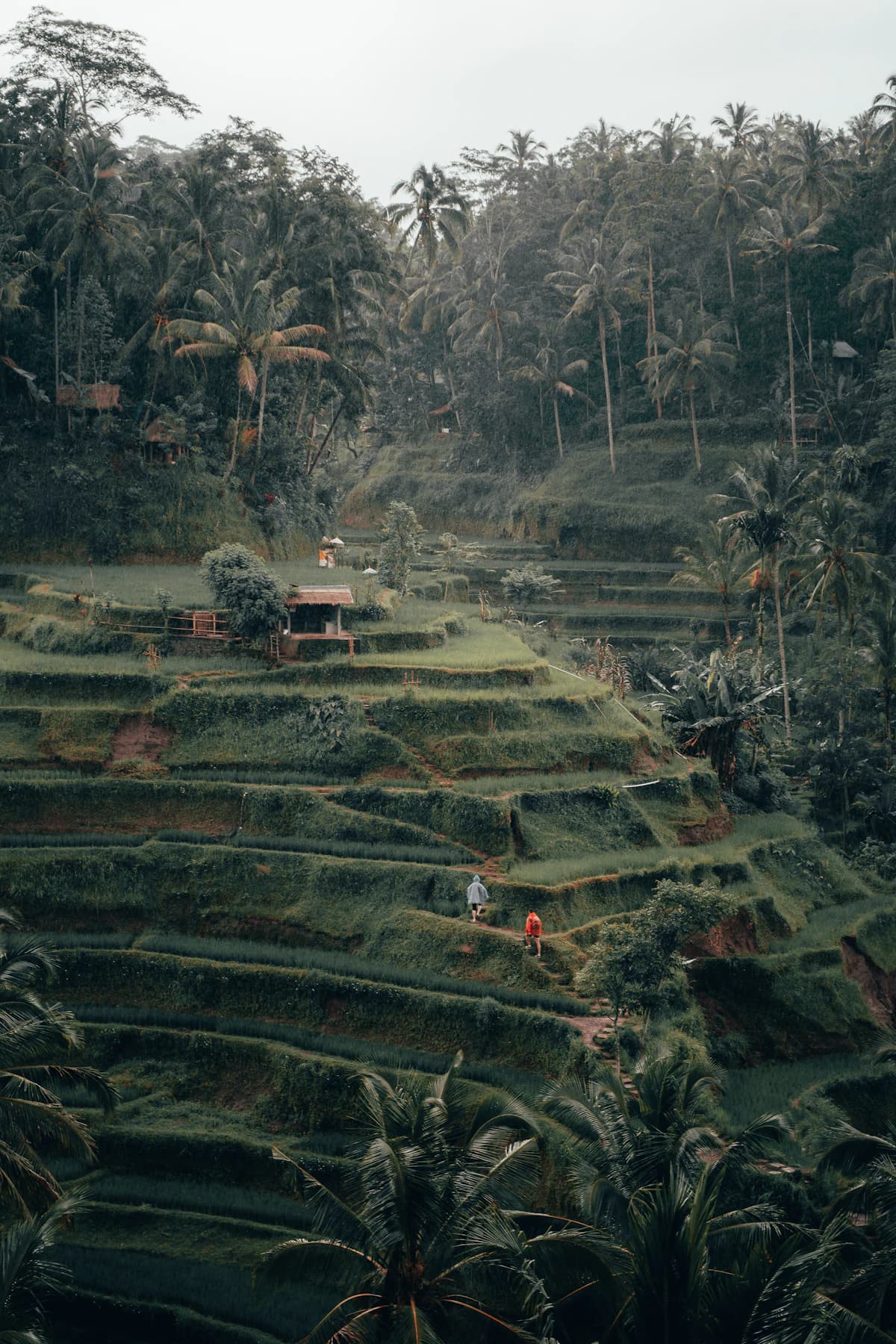
Ubud is the cultural and artistic heart of Bali, a destination that draws visitors from around the world seeking yoga retreats, spiritual wellness, and authentic Balinese experiences. Located in the central Gianyar province at an elevation that provides a noticeably cooler climate than coastal areas, Ubud is surrounded by lush rice terraces and tropical forests that define the island's interior landscape. The town serves as an excellent base for exploring temples, waterfalls, and the island's cultural treasures while maintaining the relaxed, artistic atmosphere that has made it famous.
What makes this place special
Things to do in Ubud
Ubud offers an incredible variety of activities that blend cultural immersion with adventure and nature exploration. Start at the Royal Palace (Puri Saren Agung) in the town center, where entry is free and traditional Balinese dance performances are held regularly in the ornate courtyard. Nearby, Pura Taman Saraswati is one of Ubud's most photogenic temples — dedicated to Saraswati, the Hindu goddess of knowledge, music, and the arts, it features a stunning lotus pond at its entrance and intricate stone carvings that make it a photographer's dream. The iconic Sacred Monkey Forest Sanctuary is a must-visit — home to over 700 long-tailed macaques across an area spanning 27 football fields, with three ancient temples (Dalem Agung, Padangtegal, and Prajapati) and 186 different plant species. Be warned that the monkeys can be aggressive, so hide your belongings, remove sunglasses, and avoid dangling accessories. For an even more impressive experience head to Jatiluwih Rice Terraces — a UNESCO World Heritage site further from Ubud spanning over 600 hectares that's arguably more beautiful (the name means 'very pretty'). Don't miss Tirta Empul, a sacred water temple built in 962 AD where Balinese Hindus still come for purification rituals — visitors can participate in the cleansing ceremony by walking through a series of fountains, making it one of Bali's most spiritual experiences.
 temples culture
Bali: Ubud Kecak and Fire Dance Show Tickets
 nature adventure
Bali: Ubud Gorilla Face ATV and Ayung Rafting Trip with Meal
 nature adventure
Bali/Ubud: Swing, Zipline & SkyBike Rice Terrace Adventure
 nature adventure
Bali: Ubud Swing Heaven Entry Ticket
Where to stay in Ubud
Ubud accommodates all budgets with diverse lodging options throughout the region. Many resorts in Ubud's surrounding areas emphasize jungle settings and rice terrace views, making them ideal bases for exploring the region's cultural and natural attractions.
Getting around Ubud
Ubud is highly accessible for independent travelers, with multiple transportation options available. Ride-sharing apps like Grab and Gojek operate throughout the region, providing reliable transportation for specific journeys without the commitment of renting. A common practice on Bali is to find a reliable driver who gives you their WhatsApp number — you can then call them day or night for pickups, day trips, or airport transfers. Ubud town itself is walkable, with the central market area, galleries, and many restaurants within easy walking distance, making it convenient for exploring local culture and street food without transportation.
Best time to visit Ubud
Ubud experiences a tropical climate with a distinct dry and wet season. The dry season from April to October is the optimal time to visit, with April through September offering the most comfortable weather for outdoor activities, temple visits, and rice terrace exploration. July and August are peak tourist months with the most reliable weather but also larger crowds. The wet season from November to March brings afternoon rain and occasional flooding, though mornings are typically clear and the landscape is lush and green. Consider visiting during shoulder months like April-May or September-October for a balance of pleasant weather and fewer tourists. The cooler altitude of Ubud compared to coastal Bali makes it comfortable year-round for some travelers, particularly those seeking yoga and wellness retreats.
Budget for Ubud
Simple and local
Choose a simple stay, eat at local warungs and reserve your spend for the experiences that shape the trip.
Comfort with choices
Combine a comfortable stay with shared transport and a few deliberately chosen tours or restaurants.
Stay-led trip
Let the location and service of your stay lead the plan, then compare private transport and tailored experiences with providers.
Practical safety tips
Ubud is generally safe for tourists with standard precautions. At the Monkey Forest, be aware that monkeys can be aggressive — hide all loose belongings, remove sunglasses and hats before entering, and never carry open food or drinks. Monkeys are known to snatch items from visitors, so keep bags zipped and phones secured. Petty theft can occur in crowded areas, so keep valuables secure and avoid displaying expensive jewelry or electronics. Be cautious when renting scooters—wear helmets, follow local traffic rules, and avoid riding after drinking. The rainy season can cause slippery roads and occasional landslides on rural trails, so check conditions before venturing to waterfalls or remote areas. Use registered taxis or Grab rather than hailing unmarked vehicles, and inform someone of your daily plans when exploring more remote locations. Tap water is not recommended for drinking; use bottled water instead. The local culture is welcoming but respectful—dress modestly at temples, and avoid public displays of affection.
Frequently asked questions about Ubud
Plan your stay in Ubud
Compare current availability for stays, activities and transport that fit your trip.