Where to Stay in Bali: Best Areas & Neighborhoods
Choosing where to stay in Bali is perhaps the most important decision you'll make for your trip. The island isn't one-size-fits-all—a party beach town vibe in one neighborhood can transform completely within 20 minutes of driving. Your choice of base shapes everything: who you'll meet, what you'll eat, how much you'll spend, and ultimately what Bali experience you'll have.
We've spent time in nearly every major neighborhood on the island, from the rice terraces of Ubud to the clifftop temples of Uluwatu. This guide cuts through the marketing hype and gives you honest comparisons so you can pick the right fit for your travel style, budget, and interests. We've included pricing, specific neighborhood breakdowns, and our real recommendations based on what different travelers actually want.
Where to Stay in Ubud: Culture & Nature
Ubud is the spiritual and cultural heart of Bali. If you're seeking temples, yoga retreats, rice terrace hikes, and an escape from beach resort crowds, this is your destination. The town sits inland about an hour from the nearest beach, surrounded by jungle, waterfalls, and traditional villages.
Best for: Solo travelers, digital nomads, culture enthusiasts, nature lovers, yoga practitioners, budget-conscious travelers
What to expect: Ubud feels like a real town with local markets, street food, and genuine Balinese community life. Yes, tourism has transformed the downtown area significantly, but you're never far from authentic experiences. The pace is slower here—no rush, no pressure, just rice fields and creative energy.
Ubud Town Center & Monkey Forest Area
Staying in central Ubud puts you walking distance from Monkey Forest Sanctuary, galleries, the traditional market, and endless cafes. This area buzzes with backpackers, yogis, and digital nomads who've made Ubud their base for months.
Accommodation price range: Guesthouses from 140,000 IDR–350,000 IDR ($9–$23 USD); mid-range hotels 450,000–900,000 IDR ($30–$60 USD); upscale villas 1,200,000+ IDR ($80+ USD)
Pros:
- Everything walkable, authentic market experiences
- Affordable accommodation and food
- Proximity to Monkey Forest, art galleries, and cafes
- Easy to meet other travelers
Cons:
- Increasingly touristy, crowded with vendors
- Can feel chaotic and loud
- Street scams targeting tourists (watch your belongings)
- Rainy season (November–March) hits hard
Ubud's Outer Villages (Sidemen, Penestanan)
If you want the Ubud experience without the downtown crowds, consider Sidemen (30 minutes from town center) or Penestanan (10 minutes north). These villages offer rice terrace views, homestays, and quiet mornings.
Accommodation price range: Homestays 120,000–250,000 IDR ($8–$17 USD); simple villas 300,000–600,000 IDR ($20–$40 USD)
Pros:
- Genuine village life, fewer tourists
- Stunning rice field views
- Better value for money
- More authentic interactions with locals
Cons:
- Requires motorbike or regular scooter taxi rides to town
- Fewer restaurants and dining options
- Can feel isolated if you're solo and prefer social atmosphere
- Less English spoken by locals
Where to Stay in Seminyak: Beach Lifestyle & Dining
Seminyak is Bali's upscale beach neighborhood, packed with beachfront clubs, refined restaurants, luxury resorts, and boutique shopping. It's about 15km south of Ubud and close enough for easy day trips. The beach is popular for surfing and sunset drinks, though the sand can be black volcanic and the water rough during rainy season.
Best for: Couples, luxury seekers, foodies, party travelers, those wanting beach + nightlife balance, Instagram photographers
What to expect: Seminyak is curated, polished, and international. You'll see a lot of Australian accents, European fashion, and Instagram-famous beach clubs. The dining scene is exceptional—world-class restaurants sit next to beachfront warungs. It's more expensive than Ubud but still affordable by global standards.
Central Seminyak (Beach Road)
The main strip along Jalan Seminyak and toward the beach offers direct ocean access, clubs, and high-end resorts. Potato Head Beach Club, Mint Club, and dozens of bars line the beach here.
Accommodation price range: Hostels 80,000–150,000 IDR ($5–$10 USD); mid-range hotels 600,000–1,200,000 IDR ($40–$80 USD); luxury resorts 1,500,000–3,000,000+ IDR ($100–$200+ USD)
Pros:
- Walking distance to beach, clubs, and restaurants
- Excellent food scene with international options
- Social atmosphere, easy to meet people
- Good for sunset viewing and beach activities
Cons:
- Most expensive neighborhood on the island
- Can be overly touristy and commercial
- Beach can be crowded and rough
- Nightlife noise if you're a light sleeper
Seminyak Inland (Kampung Tanduk Area)
Just 5-10 minutes from the beach but away from the main strip, neighborhoods like Kampung Tanduk offer a quieter experience with better value. You'll find local warungs, traditional homes, and less tourism pressure.
Accommodation price range: Guesthouses 250,000–500,000 IDR ($17–$33 USD); local hotels 600,000–1,000,000 IDR ($40–$65 USD)
Pros:
- 60–70% cheaper than beachfront
- Walking distance to restaurants and shops
- More local feel, fewer package tourists
- Still close to nightlife if you want it
Cons:
- Not oceanfront (need 5-minute walk)
- Fewer luxury options
- Can feel a bit quieter, less buzzy
Where to Stay in Canggu: Digital Nomad Hub
Canggu has become the epicenter for digital nomads, surfers, and young professionals. It's younger and hipper than Seminyak, with better coworking spaces, healthier food options, and a creative vibe. The neighborhood spreads across a few kilometers, so location within Canggu matters significantly.
Best for: Digital nomads, freelancers, young travelers, surfers, health-conscious travelers, those wanting coffee culture
What to expect: Canggu feels like a temporary home for people working online. You'll hear more English than Indonesian, see MacBooks in cafes, and find yoga studios on every corner. The beach here is excellent for surfing but choppy for swimming. Prices have risen as the neighborhood has gentrified, but it's still cheaper than central Seminyak.
Central Canggu (Around Batu Bolong Beach)
Batu Bolong and Echo Beach are Canggu's heart, with beach clubs, surfer culture, and the main concentration of coworking spaces and cafes.
Accommodation price range: Hostels/budget rooms 100,000–180,000 IDR ($7–$12 USD); mid-range hotels 500,000–1,000,000 IDR ($33–$65 USD); private villas 800,000–1,500,000 IDR ($53–$100 USD)
Pros:
- Best coworking spaces and digital nomad infrastructure
- Excellent coffee culture and healthy food options
- Beach access and great surfing
- Young, international community
- Good value compared to Seminyak
Cons:
- More touristy than it was 3 years ago
- Accommodation and food prices rising yearly
- Traffic congestion, especially on weekends
- Can feel transient (lots of 1-month visitors)
Berawa & Pererenan (North Canggu)
Further north, neighborhoods like Berawa and Pererenan offer the Canggu lifestyle without the crowds. You'll find better value, rice fields peeking through, and a more relaxed pace.
Accommodation price range: Guesthouses 150,000–350,000 IDR ($10–$23 USD); villas 600,000–1,200,000 IDR ($40–$80 USD)
Pros:
- 30–40% cheaper than central Canggu
- Still walkable to main attractions (5-15 minute walk)
- Quieter, less saturated
- Good mix of local and tourist infrastructure
Cons:
- Fewer restaurants immediately nearby
- Less established coworking scene
- Requires walking uphill or short motorbike ride to beach
Where to Stay in Uluwatu: Dramatic Cliffs & Luxury
Uluwatu sits on Bali's southern peninsula, famous for clifftop temples, dramatic sunsets, and luxury resort experiences. The area feels removed from Ubud's hustle and Seminyak's party scene—it's quieter and more exclusive.
Best for: Couples seeking romance, luxury travelers, sunset chasers, those wanting fewer crowds, travelers with higher budgets
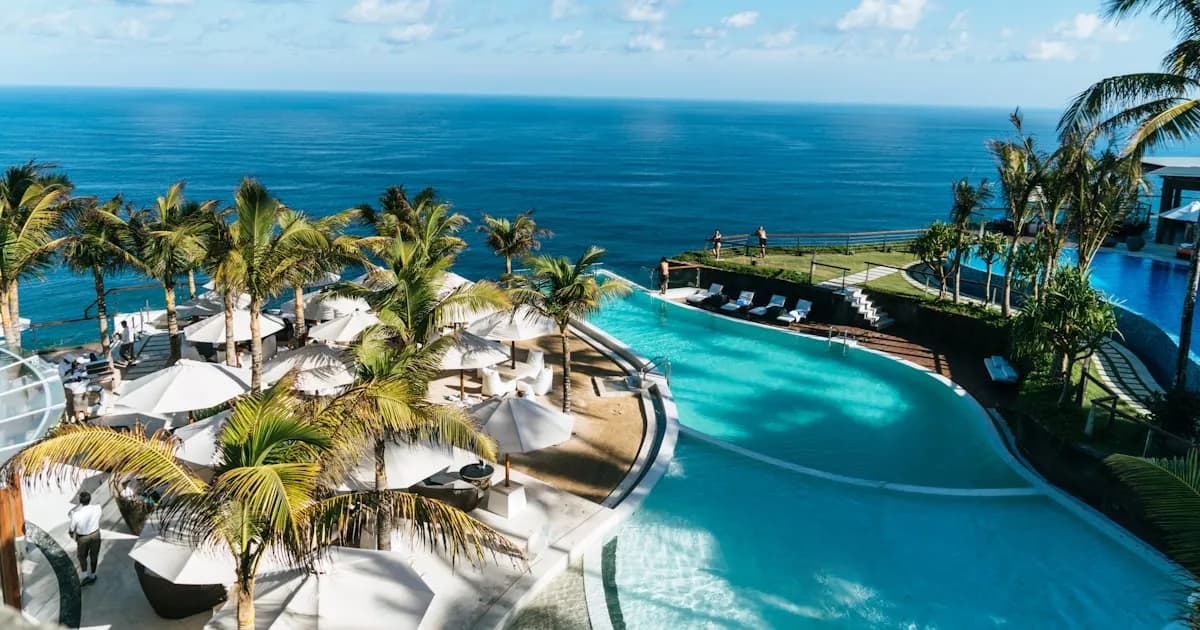
What to expect: Uluwatu is stunning. The views are unmatched on the island—cliffs dropping to turquoise water, traditional temples perched impossibly on rock formations, and some of Bali's finest resorts. The trade-off is that you're somewhat isolated; the nearest proper beach town is 15-20 minutes away by car.
Upper Uluwatu (Near Pura Luhur Uluwatu)
The clifftop area near Pura Luhur Uluwatu temple is where the most dramatic views and premium resorts sit. Expect luxury spas, infinity pools overlooking the ocean, and evening kecak fire dances.
Accommodation price range: Boutique hotels 800,000–1,500,000 IDR ($53–$100 USD); luxury resorts 2,000,000–5,000,000+ IDR ($130–$330+ USD)
Pros:
- Unbeatable sunset and ocean views
- Most exclusive and quiet location on Bali
- World-class resorts and amenities
- Fewer tourists and party crowds
Cons:
- Very expensive, among Bali's priciest areas
- Limited walkability; need transport to restaurants
- No real town center or local culture
- Can feel isolated if traveling solo
Jimbaran Bay Area
Jimbaran is on the peninsula's western side, with a famous beach for seafood dinners. The area is more accessible than upper Uluwatu while still offering calm, resort-focused experiences.
Accommodation price range: Mid-range hotels 600,000–1,200,000 IDR ($40–$80 USD); upscale resorts 1,200,000–2,500,000 IDR ($80–$165 USD)
Pros:
- Beautiful beach with restaurant options
- More accessible than upper Uluwatu
- Calmer water better for swimming
- Good sunset location
Cons:
- Pricier than Seminyak/Canggu
- Limited nightlife or dining beyond beach
- Can feel quieter/slower if you want activity
- About 45 minutes from Ubud for day trips
Where to Stay in Sanur: Beach Town Ease
Sanur is Bali's overlooked gem on the island's eastern coast. It has a real local beach town vibe, reasonable prices, and is the gateway to Nusa Lembongan, Nusa Ceningan, and Nusa Penida. The beach is wide, calm, and perfect for swimming.
Best for: Families, budget travelers, those island-hopping to the Nusa islands, travelers seeking local Bali, people wanting calm beaches without party scene
What to expect: Sanur feels more like a real coastal town than a tourist resort. There are still tourists here, but you'll see Balinese families, local fishermen, and a more grounded pace. The beach runs for about 5km with a promenade, water sports, and beachfront warungs.
Accommodation price range: Guesthouses 120,000–280,000 IDR ($8–$18 USD); mid-range hotels 400,000–800,000 IDR ($27–$53 USD); resort hotels 800,000–1,500,000 IDR ($53–$100 USD)
Pros:
- Most affordable beach town option on Bali
- Calm beach, great for swimming and families
- Gateway to island-hopping (15-minute boat rides)
- Authentic local atmosphere
- Less crowded than Seminyak/Canggu
Cons:
- Less nightlife or dining scene compared to western coast
- Beach water can be choppy during certain seasons
- Fewer luxury accommodation options
- Further from Ubud (1.5 hours by car)
Sanur Beach & Promenade
The main area stretching along the beach and promenade is where most tourists base themselves, with easy access to restaurants, shops, and boat services.
Sanur North (Ketewel)
The quieter, more local village of Ketewel (5km north) offers beach access without the tourism infrastructure. Perfect for those seeking real village life.
Where to Stay in Nusa Dua: Resort Isolation
Nusa Dua is Bali's purpose-built resort district, designed for all-inclusive tourism. It's artificial—literally built as a planned resort zone—but it delivers on luxury and convenience.
Best for: Families wanting all-in-one solutions, luxury resort-focused travelers, those uncomfortable with unstructured travel, business travelers
What to expect: Everything here is organized and controlled. The beach is pristine, there's a golf course, multiple restaurants in each resort, security is tight, and you rarely need to leave your hotel. English is spoken everywhere. It doesn't feel like "real Bali," but that's partly the point.
Accommodation price range: Mid-range resorts 800,000–1,500,000 IDR ($53–$100 USD); luxury resorts 2,000,000–4,000,000+ IDR ($130–$265+ USD)
Pros:
- All amenities contained and planned
- Safe, secure, well-maintained beaches
- Excellent for families with young children
- No need to negotiate or find restaurants
Cons:
- Most expensive option on Bali
- Completely isolated from real Balinese culture
- Artificial, mall-like atmosphere
- Limited authentic experiences
Where to Stay in Amed: Quiet Coastal Escape
Amed sits on Bali's quiet east coast, about 2 hours from the tourist center. It's known as the island's best-kept secret—a sleepy fishing village with excellent diving and snorkeling (you can walk to the reef), minimal tourists, and extremely affordable rates.
Best for: Divers, those seeking escape and solitude, budget travelers, people wanting authentic village life, those comfortable with limited infrastructure
What to expect: Amed is genuinely off the beaten path. There are no clubs, no rush, and minimal English. You'll find yourself eating at family-run warungs, diving with locals, and potentially being the only tourist in sight. The water is usually calmer than the western coast.
Accommodation price range: Guesthouses 80,000–180,000 IDR ($5–$12 USD); simple hotels 200,000–400,000 IDR ($13–$27 USD); diving resorts 400,000–800,000 IDR ($27–$53 USD)
Pros:
- Cheapest accommodation outside Ubud's budget options
- Excellent diving and snorkeling
- Authentic village experience
- Peaceful, minimal tourism
- Perfect for extended stays
Cons:
- Very quiet, can feel isolated
- Limited restaurants, nightlife, services
- Poor road conditions to get there
- Requires comfort with basic infrastructure
- Hard to arrange transport without a motorbike
Where to Stay in Uluwatu's Neighboring Areas: Padang Padang & Dreamland
Just north and east of upper Uluwatu, smaller beaches offer quieter alternatives with cliffside settings.
Padang Padang Beach sits in a cove with stunning clifftop views and a few beach clubs. Dreamland Beach is popular with surfers. Both areas have mid-range to luxury accommodation, fewer crowds than Seminyak, but more limited infrastructure.
Accommodation price range: Mid-range hotels 600,000–1,200,000 IDR ($40–$80 USD); upscale resorts 1,500,000–2,500,000 IDR ($100–$165 USD)
Where to Stay in Munduk: Mountain Retreat
If you want to escape the beaches entirely, Munduk in Bali's central highlands offers waterfalls, cooler temperatures, trekking, and views across the island. It's about 1.5 hours from Ubud.
Best for: Nature adventurers, those seeking cool weather, trekkers, travelers wanting to see non-beach Bali
Accommodation price range: Guesthouses 150,000–300,000 IDR ($10–$20 USD); simple hotels 300,000–600,000 IDR ($20–$40 USD)
Pros:
- Cooler climate, lush jungle
- Authentic village life
- Waterfall hikes and nature activities
- Very affordable
Cons:
- Remote with minimal tourism infrastructure
- Rainy season makes roads difficult
- Limited restaurants or activities beyond nature
- Requires motorbike/taxi for exploration
Where to Stay in Kuta: Party & Beach Budget Option
Kuta is Bali's original tourist beach town—loud, party-focused, and packed with backpackers. If Seminyak is upscale Bali, Kuta is backpacker Bali.
Best for: Party travelers, backpackers, surfers, budget-conscious beach lovers, those wanting high energy
What to expect: Kuta Beach is crowded with surfboards, beach vendors, and tourists. The main strip is an endless parade of bars, clubs, and cheap restaurants. Yes, there are scams and touts, but the community is tight and social.
Accommodation price range: Hostels 60,000–120,000 IDR ($4–$8 USD); budget hotels 200,000–400,000 IDR ($13–$27 USD); mid-range 500,000–1,000,000 IDR ($33–$65 USD)
Pros:
- Cheapest beach town option
- Amazing for meeting other travelers
- Excellent party scene and nightlife
- Good surfing
Cons:
- Chaotic, crowded, loud
- Frequent scams and aggressive touts
- Polluted beach (thick with trash/seaweed sometimes)
- Can feel unsafe late at night
- Not authentic Bali at all
Where to Stay in Denpasar: Local & Practical
Denpasar is Bali's capital, a real working city rather than a tourist destination. It's chaotic, loud, and exactly what you'd expect from an Indonesian provincial capital.
Best for: Those needing practical business, travelers connecting flights, people interested in authentic local life
Accommodation price range: Budget hotels 150,000–300,000 IDR ($10–$20 USD); business hotels 400,000–800,000 IDR ($27–$53 USD)
Cons:
- Traffic chaos, pollution
- No beach access
- Genuinely uncomfortable for leisure tourists
- Limited English
Only stay here if you have a specific reason (airport connection, business). Otherwise, pick literally any other neighborhood.
Comparing Bali Neighborhoods at a Glance
| Neighborhood | Best For | Avg Price (Mid-Range) | Vibe | Beach | Nightlife |
|---|---|---|---|---|---|
| Ubud | Culture & nature | $30–$60 | Spiritual, artistic | None | Minimal |
| Seminyak | Beach + luxury | $40–$80 | Upscale, international | Yes | Excellent |
| Canggu | Digital nomads | $33–$65 | Young, creative | Yes | Good |
| Uluwatu | Romance & luxury | $100–$200 | Exclusive, quiet | Limited | Minimal |
| Sanur | Families & budget | $27–$53 | Local, relaxed | Yes (calm) | Minimal |
| Nusa Dua | All-inclusive resort | $130–$265 | Artificial, safe | Yes | Resort-only |
| Amed | Escape & diving | $13–$27 | Quiet, authentic | Yes | None |
| Kuta | Party & budget | $13–$27 | Chaotic, social | Yes | Excellent |
Island Alternatives: Nearby Escapes
If you want to step off Bali entirely for a few days, several nearby islands offer distinct experiences:
Nusa Lembongan (20 minutes by boat from Sanur): Cliff views, quieter beaches, excellent diving. Mid-range accommodation 400,000–800,000 IDR ($27–$53 USD).
Nusa Penida (30 minutes by boat): Dramatic landscape, Kelingking Beach, fewer tourists than Lembongan. Budget accommodation 250,000–500,000 IDR ($17–$33 USD).
Gili Trawangan, Gili Air, Gili Meno (accessible from Sanur, 1.5–2 hour boats): No cars allowed, party/relax options, excellent snorkeling. Mid-range 500,000–1,000,000 IDR ($33–$65 USD).
Budget Comparison: Monthly Living Costs
If you're planning an extended stay, here's what you can realistically spend monthly (covering accommodation, food, transport, activities):
| Budget Level | Monthly Cost | Where to Stay |
|---|---|---|
| Ultra-budget | $400–600 | Ubud (guesthouses), Amed, Kuta hostels |
| Budget-conscious | $700–1,000 | Ubud mid-range, Canggu north, Sanur |
| Comfortable | $1,200–1,800 | Canggu central, Seminyak mid-range, Jimbaran |
| Luxury | $2,500+ | Upper Uluwatu, Seminyak resorts, Nusa Dua |
Practical Considerations for Choosing Your Base
Season matters: Dry season (April–October) means reliable beach weather. Rainy season (November–March) brings afternoon downpours but also fewer tourists and cheaper rates. Ubud's mountain location means rain even in dry season.
Transport time: If you're flying to Bali, plan for 45 minutes from Denpasar airport to central Seminyak, 1 hour to Ubud, 30 minutes to Sanur. Traffic can double these times.
Social needs: Solo travelers thrive in Ubud, Seminyak, or Kuta where communities are established. Couples prefer Uluwatu, Jimbaran, or quiet Sanur. Families benefit from Nusa Dua's all-in-one model or Sanur's calm beach.
One beach, multiple bases: Many visitors do 3 nights in Ubud, then 3–4 nights in Seminyak or Canggu. This balances culture and beach within one trip.
Final Tips: Making Your Choice
Visit in your intended season: Bali during rainy season feels completely different from dry season. If you can, spend a few nights in your primary area before committing longer.
Book flexible accommodations first: Choose a mid-range hotel (not hostels, not luxury) for your first 2 nights. Explore the neighborhood, then book longer-term accommodation once you're sure you like it. Prices for longer stays are negotiable.
Don't overcommit: We see travelers trying to hit Ubud, Seminyak, Canggu, Sanur, and Uluwatu in two weeks. You'll spend half your time traveling and arrive exhausted. Pick two neighborhoods maximum, stay longer in each, and return to Bali if you want more.
Ground transportation: Budget 20,000–30,000 IDR ($1.30–$2 USD) for scooter taxis between neighborhoods. Ride-hailing apps work but are more expensive. Renting a scooter costs 50,000–80,000 IDR ($3–$5 USD) daily if you're comfortable riding.
Off-season advantages: Book for October–December or March. You'll get 30–40% cheaper rates, fewer tourists, yet still decent weather (especially outside rainy months). Ubud experiences rain even in dry season, but it usually clears by afternoon.
Try local food: Your accommodation cost matters less than where you eat. Waking up in Ubud and eating Soto Ayam from a warung (20,000 IDR / $1.30) is a completely different vibe from grabbing toast at a Canggu cafe (60,000 IDR / $4). Both are Bali—pick your experience.
Bali isn't one place—it's a collection of distinct neighborhoods and islands, each offering a different version of what "Bali" means. The village of Ubud, the beach scene in Canggu, the clifftop temples of Uluwatu—they're each authentic in their own way. Spend time picking the right base, and you'll unlock exactly the Bali experience you came for.
Frequently Asked Questions
Which part of Bali is best to stay in?
The best area depends on your travel style. Ubud is ideal for culture lovers and nature enthusiasts, offering rice terraces, temples, and a slower pace. Seminyak and Canggu suit beach-loving digital nomads and party travelers with vibrant nightlife and trendy cafes. Uluwatu works for those seeking dramatic cliffs and upscale resorts with sunset views. Sanur appeals to families and budget travelers. Choose based on your interests: if you want spiritual immersion and jungle vibes, pick Ubud; for beach life and nightlife, choose Seminyak or Canggu; for luxury and romance, go Uluwatu.
Should I stay in Ubud or Seminyak?
Choose Ubud if you want to experience authentic Balinese culture, explore rice fields, visit temples, and enjoy a quieter, more spiritual atmosphere. You'll spend less money, meet other travelers, and have easy access to hiking and waterfalls. Choose Seminyak if you prefer beach life, modern restaurants and bars, shopping, and nightlife. Seminyak is busier and pricier but perfect if you want the classic Bali beach experience. Many travelers split their stay—spend 3-4 days in Ubud, then 3-4 in Seminyak or Canggu.
Which part of Bali should I visit for the first time?
For first-timers, we recommend a mix: start in Seminyak or Canggu (2-3 nights) to get comfortable with Bali and enjoy beaches, then head to Ubud (3-4 nights) for culture and nature. This gives you the best of both Bali without requiring three separate hotel changes. If you only have 4-5 days, stay in Ubud—it's central, walkable, and offers better value. If beaches are a priority, base yourself in Seminyak. Avoid spreading yourself too thin across five neighborhoods; two bases maximum is ideal.
Is Seminyak or Nusa Dua better?
Seminyak and Nusa Dua serve different travelers. Nusa Dua is purpose-built for resort-style tourists with all-inclusive luxury, pristine beaches, and planned entertainment—perfect for families and those wanting everything within their resort complex. However, it's isolated from authentic Bali culture and very expensive. Seminyak offers a better balance: real Balinese culture mixed with beach access, diverse dining, nightlife, and mid-range to luxury options. Seminyak feels more like a genuine destination while Nusa Dua feels disconnected from Bali itself. Unless you specifically want all-inclusive luxury, Seminyak offers better value and experience.
Sources & References
Go2Bali Team
Travel Writer at Go2Bali
- ●Bali travel experts
- ●Locally verified information
- ●Regular content updates
The Go2Bali team shares local insights, practical travel tips, and in-depth guides to help you explore Bali like a seasoned traveler.
More about usRelated Articles
Plan Your Bali Trip
Book hotels, tours, and transport through our trusted partners and get the best deals for your Bali adventure.