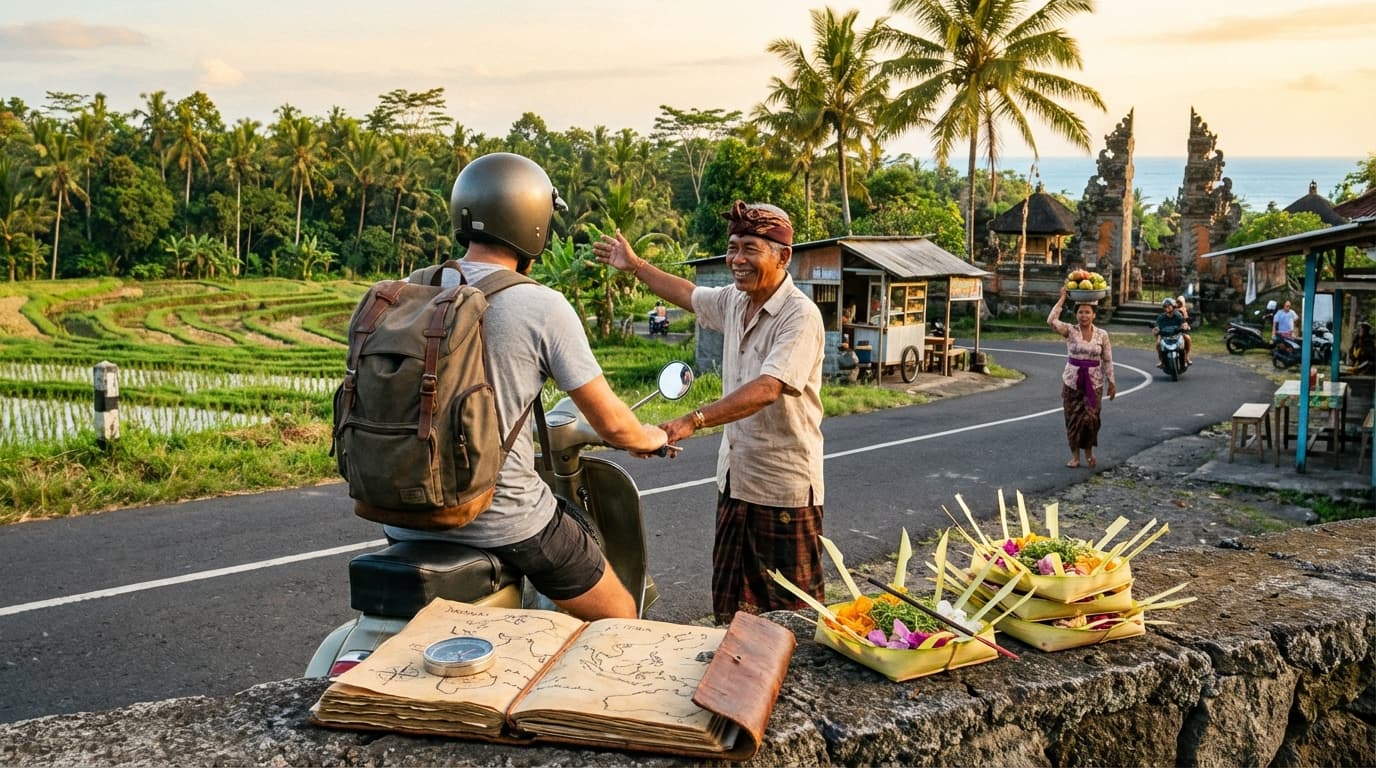
Is Bali Safe? Honest Safety Guide for Tourists (2026)
After spending over two years living in Bali, exploring everything from the rice terraces of Ubud to the beach breaks of Seminyak, we've learned that the answer to "Is Bali safe?" isn't a simple yes or no—it's nuanced, practical, and depends entirely on how you travel. The island welcomes millions of visitors annually and the vast majority experience zero safety issues, yet petty theft, scams, and health risks do exist if you're not aware.
Key Takeaways
| Question | Answer |
|---|---|
| Is Bali safe overall? | Yes—Bali is generally safe for tourists with normal precautions. Violent crime against visitors is rare. |
| What are the main risks? | Petty theft, motorbike accidents, scams, and mosquito-borne illness (dengue fever). |
| Which areas are safest? | Ubud, Canggu, and resort areas in Seminyak are well-patrolled and tourist-friendly. |
| Do I need travel insurance? | Absolutely. Medical costs can be high; insurance covers emergencies and evacuation. |
| What should I avoid? | Unmarked taxis, late-night scooter rides, unvetted tour operators, and tap water. |
| How much does travel insurance cost? | IDR 200,000–500,000 ($12–30 USD) for basic coverage; premium plans IDR 1,000,000+ ($60+ USD). |
| Should I carry valuables? | No. Leave passports, excess cash, and jewelry in your hotel safe. Carry only what you need daily. |
1. The Real Safety Picture: What the Data Shows
Bali is statistically safer than many Western cities, but it's not risk-free. According to the Australian Department of Foreign Affairs and Trade, Bali remains at "Exercise Normal Precautions" level—the lowest advisory tier. Violent crime targeting tourists is extremely rare; most incidents involve petty theft or scams rather than physical assault.
During our time living in Ubud and regularly visiting Seminyak and Canggu, we witnessed a pattern: tourists who follow basic safety rules experience no problems, while those who ignore warnings often encounter preventable issues. The key is understanding where risks concentrate and how to mitigate them.
Crime Statistics and What They Mean
Petty theft—phone snatching, bag theft from scooters, hotel room burglaries—accounts for the majority of tourist complaints. Violent crime is statistically lower in Bali than in major cities like Bangkok or Manila. However, motorcycle accidents are the leading cause of tourist injury and death on the island, far outpacing crime-related incidents.
Tourist-Friendly Zones vs. Higher-Risk Areas
The safest neighborhoods for tourists include central Ubud, Canggu's main streets, and resort-heavy areas like Nusa Dua and Jimbaran. These areas have visible police presence, CCTV, and established tourism infrastructure. Remote villages and late-night alleys in less-developed areas carry higher risk—not because of organized crime, but because of isolation and lack of immediate help if something goes wrong.
Did You Know? According to the Indonesia Ministry of Tourism, Bali received over 4 million international visitors in 2023, with fewer than 0.01% reporting serious safety incidents.
Source: Indonesia Ministry of Tourism
Stick to well-lit, populated areas after dark. Avoid walking alone late at night, especially in unfamiliar neighborhoods. Use registered taxis or ride-sharing apps instead.
2. Petty Theft and How to Prevent It
Petty theft is the most common safety issue tourists face in Bali—and it's almost entirely preventable with awareness. We've seen countless travelers lose phones, wallets, and cameras to opportunistic theft, yet we've never personally experienced it because we follow simple rules.
Phone and Bag Snatching
Phone theft from scooters and beaches is the #1 reported crime. Thieves on motorbikes pull up beside you, grab your phone, and disappear into traffic. This happens in Seminyak, Kuta, and Canggu, often in broad daylight.
- Never hold your phone visibly while walking or riding a scooter. Keep it in a secure pocket or bag.
- At the beach, don't leave valuables unattended. Use a waterproof pouch or leave items in your hotel.
- In crowded areas (markets, temples, restaurants), keep bags zipped and positioned in front of you.
Hotel Room Theft
Burglaries from hotel rooms do occur, particularly in budget accommodations. Thieves target rooms on ground floors or those with easy window access.
- Always use the hotel safe for passports, excess cash, and jewelry. Most hotels provide this free.
- Lock your room door and windows before leaving, even for short periods.
- Choose mid-range or higher hotels with 24-hour front desk staff and security cameras.
Compare villas, resorts, and guesthouses across Bali with free cancellation on most bookings.
Search Hotels on Booking.com →ATM and Money Safety
ATM theft is rare, but card skimming does happen. We always withdraw cash from ATMs inside banks or established shopping centers rather than street-side machines.
- Use ATMs in banks or malls during business hours.
- Cover the keypad when entering your PIN.
- Withdraw only what you need for 1–2 days to minimize loss if theft occurs.
- Inform your bank you're traveling so they don't flag legitimate transactions.
3. Scams: The Tourist Traps to Avoid
Scams in Bali range from minor overcharges to elaborate schemes. Most are designed to separate tourists from money through deception rather than force. In our experience, awareness is your best defense.
Taxi and Transport Scams
Compare villas, resorts, and guesthouses across Bali with free cancellation on most bookings.
Search Hotels on Booking.com →Unmarked taxis are notorious for overcharging—sometimes by 300–400%. We've seen tourists charged IDR 500,000 ($30 USD) for a 10-minute ride that should cost IDR 50,000 ($3 USD).
- Use only registered blue-and-white taxis with meters, or book via ride-sharing apps (Grab, Gojek).
- Agree on fares before boarding if using informal transport.
- Avoid taxis that approach you at the airport. Use the official taxi counter or pre-book through your hotel.
Tour Operator and Activity Scams
Fake tour operators and overpriced activities proliferate, especially around tourist hotspots. We've heard stories of tourists paying IDR 2,000,000 ($120 USD) for tours that legitimate operators offer for IDR 500,000 ($30 USD).
- Book activities through established platforms or your hotel concierge.
- Read recent reviews on Google Maps and TripAdvisor before booking.
- Get everything in writing—price, inclusions, cancellation policy.
- Avoid street touts offering "special deals" on tours and activities.
Gem and Jewelry Scams
Bali's gem trade attracts scammers selling fake stones or inflated prices to tourists. Unless you're an expert gemologist, avoid buying high-value gems.
- Only purchase from certified dealers if buying gems or jewelry.
- Get a certificate of authenticity for any significant purchase.
- Avoid street vendors and unsolicited offers.
Did You Know? The Lonely Planet Bali guide specifically warns against unmarked taxis and informal tour operators as the most common scam vectors for tourists.
Source: Lonely Planet Bali
4. Health and Medical Safety
Health risks in Bali are manageable but real. Mosquito-borne illnesses, food poisoning, and accidents are more common concerns than crime for most tourists.
Mosquito-Borne Illness (Dengue Fever, Malaria)
Dengue fever is present in Bali, particularly during the wet season (November–March). Malaria is rare but exists in some rural areas. We always use mosquito repellent and sleep under nets during peak season.
- Use DEET-based insect repellent (20–30% concentration) on exposed skin.
- Wear long sleeves and pants during dawn and dusk when mosquitoes are most active.
- Sleep under a mosquito net or in air-conditioned rooms (mosquitoes avoid cold).
- Get vaccinated for Japanese encephalitis if visiting rural areas for extended periods.
Food and Water Safety
Tap water in Bali is not safe to drink. Foodborne illness from street food or poorly handled restaurant meals is a real risk, though serious cases are uncommon.
- Drink only bottled or boiled water. Refill reusable bottles at your hotel or buy sealed bottles (IDR 5,000–20,000 / $0.30–1.20 USD).
- Eat at busy restaurants with high turnover—food is fresher and safer.
- Avoid raw or undercooked meat, unpasteurized dairy, and unpeeled fruits from unknown sources.
- Street food is usually safe if cooked in front of you, but your stomach may need adjustment time.
Medical Facilities and Insurance
Bali has good private hospitals in Ubud, Seminyak, and Denpasar. However, medical costs are high by local standards. A simple doctor's visit costs IDR 300,000–500,000 ($18–30 USD); serious treatment or evacuation can cost tens of thousands of dollars.
- Purchase comprehensive travel insurance before arrival. Basic plans cost IDR 200,000–500,000 ($12–30 USD) for 1–2 weeks.
- Keep insurance documents and emergency numbers accessible at all times.
- Visit a doctor immediately for fever, severe diarrhea, or any serious symptoms.
Get an Indonesia eSIM before you land. No physical SIM needed — activate instantly on your phone.
Get Saily eSIM for Indonesia →5. Motorbike and Road Safety
Motorcycle accidents are the leading cause of serious injury and death among tourists in Bali. We've seen countless tourists injured from scooter crashes, often due to inexperience or recklessness.
Renting and Riding Scooters
If you choose to ride a scooter, understand the risks. Bali's roads are chaotic, drivers ignore traffic rules, and potholes can cause accidents.
- Only rent from reputable shops that maintain bikes well. Expect to pay IDR 50,000–100,000 ($3–6 USD) per day.
- Wear a helmet at all times—it's the law and genuinely saves lives.
- Get an International Driving Permit (IDP) before traveling. Riding without one can result in fines (IDR 500,000–1,000,000 / $30–60 USD) or bike confiscation.
- Ride defensively. Assume other drivers won't follow rules. Avoid riding at night or in heavy rain.
- Don't ride under the influence. Alcohol impairs judgment and increases crash risk dramatically.
Using Taxis and Ride-Sharing
We strongly recommend using taxis or ride-sharing apps instead of renting scooters, especially if you're not an experienced rider.
- Grab and Gojek (ride-sharing apps) are safer, cheaper, and more convenient than unmarked taxis.
- Prices on Grab: Short rides (2–3 km) cost IDR 30,000–50,000 ($1.80–3 USD); longer rides scale accordingly.
- Drivers are vetted and trips are tracked, making them safer than hailing random taxis.
Book fast boats, shuttles, ferries, and transfers between Bali, Nusa islands, Gili, and Java easily online.
Book Transport on 12Go →6. Drug Laws and Legal Issues
Indonesia has some of the world's strictest drug laws. Possession of even small amounts of marijuana or cocaine can result in years of imprisonment and heavy fines. We've known tourists whose vacations ended in jail cells.
What You Need to Know
Skip the hassle — book Bali day trips, surf lessons, temple tours, and experiences in advance with instant confirmation.
Browse Activities on Klook →- All recreational drugs are illegal, including marijuana, cocaine, and MDMA. Penalties are severe.
- Possession of 5+ grams of marijuana can result in 4–15 years imprisonment and fines up to IDR 1 billion ($60,000 USD).
- Trafficking charges carry sentences of 20+ years.
- Police do conduct random checks, especially in tourist areas and at nightclubs.
- Bribery is not a reliable escape. Many tourists have paid bribes only to be arrested anyway.
Alcohol and Nightlife
Alcohol is legal and widely available. However, drink responsibly and be aware of your surroundings in nightlife areas.
- Drink only in established bars and clubs with good reputations.
- Avoid accepting drinks from strangers or leaving drinks unattended.
- Never drink and ride a motorbike.
- Stay in groups when out late at night.
7. Natural Disasters and Environmental Hazards
Bali sits in a seismically active region. Earthquakes are common but usually minor. Volcanic activity from Mount Agung is monitored closely. Tsunamis are rare but possible.
Earthquake Preparedness
Minor earthquakes occur frequently in Bali and rarely cause damage. Stronger earthquakes are infrequent but possible.
- Know basic earthquake safety: Drop, cover, and hold on if you feel shaking.
- Stay informed via local news or your embassy's alerts.
- In your hotel, identify safe spots (under sturdy tables, against interior walls).
Volcanic Activity
Mount Agung last erupted in 2017–2019, causing temporary airport closures and ash fall. Current activity is monitored, and major eruptions are rare.
- Check volcanic activity status before visiting Eastern Bali or hiking Mount Agung.
- Follow official advisories from the Indonesian Geological Agency.
Ocean and Beach Safety
Bali's beaches are beautiful but can be dangerous. Strong currents, rip tides, and sharp coral are hazards.
- Swim only in designated areas with lifeguards.
- Ask locals about current conditions before entering the water.
- Wear reef shoes to protect against sharp coral.
- Don't swim alone or at night.
Did You Know? According to the US State Department Travel Advisory, Bali is rated Level 1 (Exercise Normal Precautions)—the same level as most European countries.
Source: US State Department
8. Women's Safety and Solo Travel
Women travelers generally feel safe in Bali, though some cultural differences and occasional harassment exist. During our time here, we've seen many solo female travelers move around confidently by following practical precautions.
Harassment and Unwanted Attention
Catcalling and persistent advances from street vendors or touts are common but rarely escalate to physical contact. Respectful dress and confident body language help minimize unwanted attention.
- Dress modestly, especially in temples and rural areas. Avoid very short shorts or revealing tops.
- Wear a fake wedding ring if solo travel makes you uncomfortable—it often deters advances.
- Politely but firmly decline unsolicited offers. Saying "no" repeatedly is acceptable.
- Trust your instincts. If someone makes you uncomfortable, leave the situation.
Solo Female Travel Tips
- Stay in established hostels or hotels with good reviews and 24-hour staff.
- Join group tours or activities to meet other travelers and stay in populated areas.
- Share your itinerary with someone at home.
- Use ride-sharing apps rather than hailing taxis alone at night.
- Avoid accepting drinks or food from people you've just met.
9. Valuables, Theft Prevention, and What to Carry
We've developed a simple rule: never carry anything you can't afford to lose. This mindset prevents most theft-related stress.
What to Leave Behind
Book fast boats, shuttles, ferries, and transfers between Bali, Nusa islands, Gili, and Java easily online.
Book Transport on 12Go →- Passport: Keep in your hotel safe. Carry a photocopy instead.
- Excess cash: Only carry what you need for the day (IDR 500,000–1,000,000 / $30–60 USD).
- Jewelry and watches: Leave expensive items at home or in the hotel safe.
- Expensive cameras: Use a phone instead, or keep cameras in secure bags.
Daily Carry Essentials
- Phone: In a secure pocket or crossbody bag.
- Wallet: With a copy of your ID and some cash.
- Hotel key card: In your pocket.
- Sunscreen and water: In a small daypack.
Backup Documents
- Keep digital copies of your passport, visa, travel insurance, and credit card numbers in encrypted cloud storage (Google Drive, Dropbox).
- Email yourself copies of important documents.
- Know your credit card company's emergency number in case of loss or theft.
Register with your embassy before traveling. In case of emergency, they can help you quickly. Most embassies offer free registration via their websites.
10. Emergency Contacts and What to Do If Something Goes Wrong
Knowing how to respond to emergencies can minimize damage and stress.
Emergency Numbers
- Police: 110
- Ambulance: 118
- Fire: 113
- Tourist Police (Ubud): +62 361 975 092
- Tourist Police (Seminyak): +62 361 754 599
If You're Robbed or Scammed
- Report to police immediately. Get a police report number for insurance claims.
- Contact your embassy if your passport is stolen.
- Notify your bank/credit card company if cards are stolen.
- File an insurance claim with documentation from police and receipts.
If You Have a Medical Emergency
- Call 118 or go directly to a private hospital. Bali's best hospitals include Bali Med Hospital and Sanglah Hospital.
- Contact your travel insurance provider immediately—many require pre-authorization for treatment.
- Keep all medical records and receipts for insurance reimbursement.
If You're Arrested
- Remain calm and polite. Aggression makes situations worse.
- Contact your embassy immediately. They can provide legal referrals and support.
- Don't sign anything without understanding it fully or consulting a lawyer.
- Avoid paying bribes, which can be used against you later.
Frequently Asked Questions
Is it safe to travel to Bali right now in 2026?
Yes. Bali remains a safe destination for tourists with normal precautions. Check current travel advisories from your government before booking, but Bali is rated at the lowest advisory level by most countries.
What's the safest area to stay in Bali?
Ubud is generally considered the safest area—it's quieter, less touristy, and has strong community policing. Seminyak and Canggu are also very safe, though busier. Avoid very remote villages unless you're with a guide.
Should I get travel insurance for Bali?
Absolutely. Medical costs are high, and evacuation can cost $10,000+. Basic travel insurance costs IDR 200,000–500,000 ($12–30 USD) for 1–2 weeks and is essential.
Can I drink tap water in Bali?
No. Tap water is not safe to drink. Always drink bottled or boiled water. Bottled water costs IDR 5,000–20,000 ($0.30–1.20 USD) per liter.
Is it safe to rent a motorbike in Bali?
Motorbikes are convenient but risky, especially for inexperienced riders. If you do rent, wear a helmet, get an IDP, ride defensively, and avoid riding at night. We recommend using Grab or taxis instead.
What should I do if I'm scammed?
Report it to police and get a report number for insurance. Contact your embassy if it involves your passport. File an insurance claim if you have coverage. Most scams are small amounts—the best approach is prevention through awareness.
Conclusion
Bali is safe for tourists who travel with awareness and common sense. Violent crime is rare, and the millions of visitors who come annually experience wonderful, incident-free trips. The real risks—petty theft, scams, motorbike accidents, and mosquito-borne illness—are all manageable with practical precautions.
Our two years living in Bali taught us that safety is about informed choices: using registered taxis, avoiding unmarked ATMs, keeping valuables in hotel safes, and respecting local culture. Follow these guidelines, and you'll join the vast majority of tourists who leave Bali with only positive memories.
For more detailed safety information and practical travel tips, explore our Health & Safety guide and Getting Around Bali resource. And if you're planning your trip, check out our Bali Cost Breakdown to budget accurately and avoid overpaying for common tourist traps.
Go2Bali has lived in Bali, worked with local guides, and navigated these safety issues firsthand. We're here to help you travel smart.
Sources & References

Go2Bali Team
Travel Writer at Go2Bali
- ●Bali travel experts
- ●Locally verified information
- ●Regular content updates
The Go2Bali team shares local insights, practical travel tips, and in-depth guides to help you explore Bali like a seasoned traveler.
More about usRelated Articles
 travel tips
Solo Female Travel in Bali: Safety Tips & Best Areas
A comprehensive guide for solo female travelers to Bali covering safety, best areas to stay, accommodation tips, how to meet people, things to watch out for, and practical advice from experienced women travelers.
10 min read
 travel tips
Renting a Scooter in Bali: Prices, Safety & Tips
Everything you need to know about renting a scooter in Bali: current prices, license requirements, insurance, safety tips, and where to rent. Stay safe and save money navigating the island on two wheels.
10 min read
 destinations
Where to Stay in Bali: Best Areas & Neighborhoods
Find the perfect Bali neighborhood for your trip. Compare Ubud, Seminyak, Canggu, Uluwatu & more with prices, pros/cons & insider tips.
16 min read
Plan Your Bali Trip
Book hotels, tours, and transport through our trusted partners and get the best deals for your Bali adventure.