Banyuwangi/Bali: Ijen Volcano Trip with Professional Guide
Overview
The Ijen Volcano trip is a rare opportunity to witness one of the world's most extraordinary natural phenomena: the mesmerizing blue fire that illuminates the crater at night. This professional guide-led tour takes you from Uluwatu to Mount Ijen in Banyuwangi, where you'll hike to the volcano's crater to see the sulfurous flames dancing across the crater floor—a sight that few travelers ever experience. With a 5-star rating from over 1,269 reviews and prices starting from just IDR 205,400 (approximately USD 13), this 6-20 hour adventure offers exceptional value for an unforgettable experience that combines geology, natural beauty, and photography opportunities.
Highlights
What's Included
- Guide
- Skip-the-line access
- Transfers available
What to Bring
- Warm layers and jacket (crater temperatures are cold, especially at night)
- Sturdy hiking boots with good traction
- Headlamp or flashlight with extra batteries
- Camera or smartphone with good low-light capability
- Respirator mask (for protection from sulfur dioxide fumes)
- Water bottle and energy snacks
- Sun protection (sunscreen, hat, sunglasses for daytime descent)
Tips
Start the hike before dawn to reach the crater by sunrise or pre-dawn to see the blue fire at its most visible
Acclimatize yourself before the hike—the altitude and sulfur fumes can be challenging; take breaks and breathe through a mask
Bring a professional camera or ensure your smartphone has manual settings for low-light photography to capture the blue fire effectively
Stay with your professional guide at all times and follow their instructions regarding safe zones and sulfur fume exposure
Pack extra water and high-energy snacks; the hike is strenuous and takes several hours, burning significant calories
What to Expect
Hotel Pickup & Transfer to Banyuwangi
Start early in the morning with hotel pickup from your accommodation in Uluwatu. Travel by vehicle to Banyuwangi (approximately 3-4 hours), enjoying the scenic route through East Java. Arrive at the Ijen volcano base and register with your professional guide.
Preparation & Safety Briefing
Meet your professional guide who will provide a comprehensive safety briefing about sulfur dioxide exposure, altitude considerations, and hiking protocols. Collect any necessary safety equipment such as respirator masks. Use restroom facilities before beginning the trek.
Pre-dawn Crater Hike
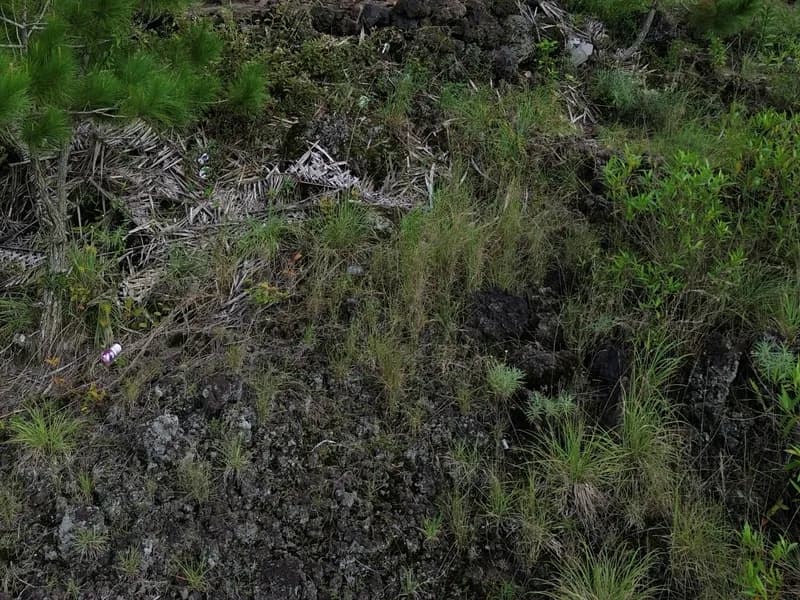
Begin the challenging hike to the crater rim in darkness (typically 2-3 hours, approximately 3km uphill with 800m elevation gain). Your guide will lead the way using their experience to navigate safely. Temperatures drop significantly, and sulfur fumes increase as you approach the crater.
Witness the Blue Fire Phenomenon
Reach the crater rim and experience the ethereal blue sulfurous flames illuminating the crater floor. This is the highlight—the blue fire is most visible in pre-dawn darkness. Spend time photographing and observing this rare geological wonder while your guide explains the science behind the phenomenon.
Crater Lake & Sunrise Views
As dawn breaks, witness the transition from blue fire to daylight, revealing the acidic crater lake and sulfur mining operations. Explore safe viewing areas around the crater rim while the sun rises over East Java's landscape. Your guide will point out geological features and explain the volcanic activity.
Descent & Return Transfer
Hike back down the crater (approximately 1-2 hours, less strenuous than the ascent). Return to the base for refreshment and rest. Transfer back to Uluwatu with time for a mid-journey meal stop, arriving at your hotel in the evening (total duration 14-20 hours depending on group pace).
Best Time to Go
The optimal time is between 2:00 AM and 4:00 AM when the crater is completely dark, allowing the blue fire to be most visible and photographically impressive. For timing your visit, aim for the dry season (April-November) when skies are clearer and the volcano is more accessible—the blue fire is most stunning on moonless nights with clear atmospheric conditions. Avoid visiting during heavy rain or monsoon periods (December-March) when visibility is severely compromised and the trail becomes dangerously slippery.
Frequently Asked Questions
Safety Information
Mount Ijen presents specific hazards that require careful attention. Sulfur dioxide (SO2) emissions are the primary concern—even at safe distances, prolonged exposure can irritate respiratory systems, eyes, and throat. All participants must wear provided respirator masks and follow your guide's instructions on where to position yourself relative to gas vents. Wind direction changes can shift fume concentrations rapidly, so your guide continuously monitors conditions. Altitude (2,799m/9,177ft) combined with physical exertion and thin air can cause altitude-related discomfort; ascending slowly and staying hydrated mitigates most issues. The crater rim and surrounding area can be unstable—never venture beyond marked safe zones or away from your guide. The hike occurs in darkness initially, increasing slip and fall risk on steep, rocky terrain; wear proper hiking boots with good grip. Carry a headlamp and stay close to your guide. The acidic crater lake is extremely dangerous and off-limits; sulfur fumes are more concentrated near the water. If you experience severe respiratory distress, dizziness, or vision problems, inform your guide immediately so they can move you to fresh air.
Related Activities
Book This Activity
Book Banyuwangi/Bali: Ijen Volcano Trip with Professional Guide through our trusted partners and get the best prices.