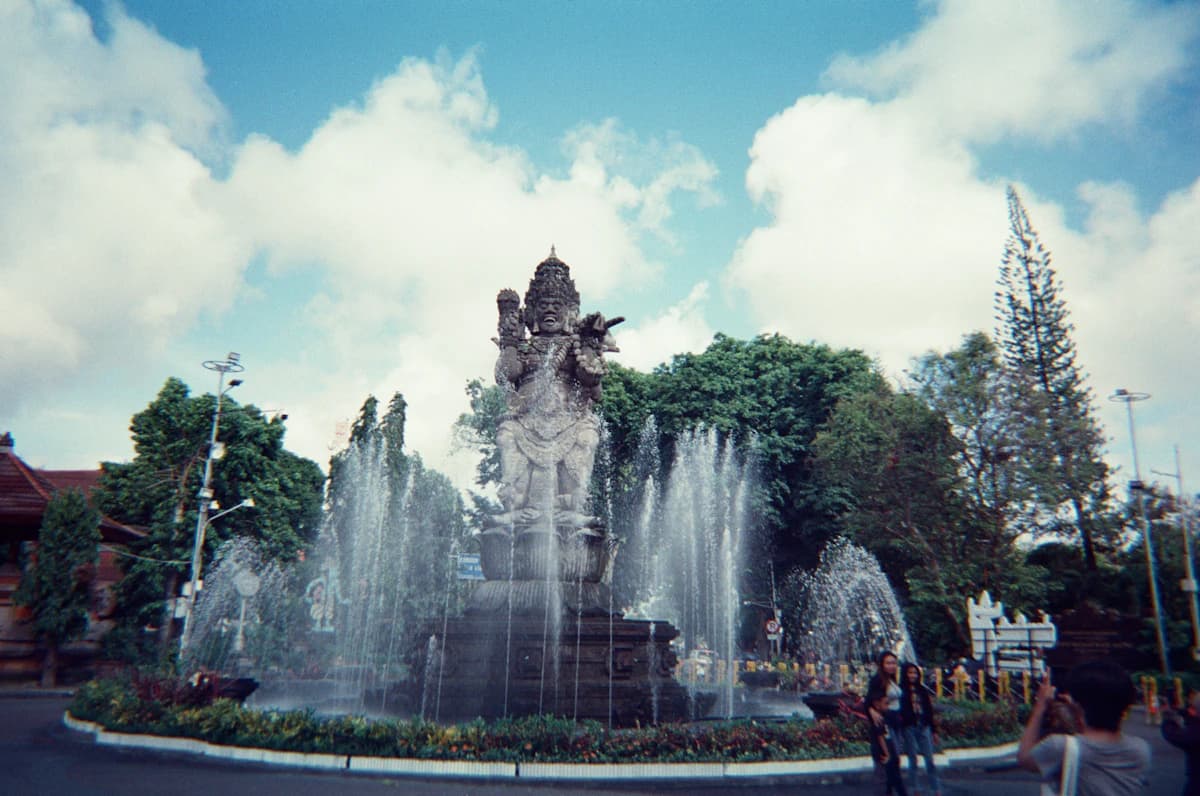
Culture, nature and calm
Denpasar
Denpasar at a glance
Denpasar, Bali's capital city, offers an authentic urban experience that reveals the real pulse of the island beyond its famous beach resorts. With a population of 725,000, this bustling administrative center is where everyday Balinese life unfolds—a stark contrast to the tourism-focused areas of Seminyak and Ubud. Visitors here discover genuine cultural heritage through the Bali Museum's historical exhibits, witness the spiritual grandeur of Jagatnatha Temple, and experience the sensory overload of the famous Badung Market where tropical fruits, aromatic spices, and handwoven textiles overflow from vendor stalls. The city rewards curious travelers willing to venture off the tourist trail with affordable warung meals, local street food, and an energetic atmosphere that captures the essence of Balinese culture.
What makes this place special
Things to do in Denpasar
Denpasar's primary attractions revolve around culture and history. The Bajra Sandhi Monument dominates the cityscape as a tribute to Bali's struggle for independence, offering insights into the island's complex past. The Bali Museum houses comprehensive collections of traditional artifacts, textiles, and religious objects that chronicle Balinese civilization from ancient times to the present day. Jagatnatha Temple, the main state temple of Bali, showcases magnificent architecture and serves as a spiritual center where locals gather for ceremonial occasions. The Badung Market remains the city's beating heart—an enormous covered market where you can haggle for souvenirs, sample fresh tropical fruits, purchase traditional handicrafts, and observe how local Balinese conduct their daily commerce. Beyond these landmarks, Denpasar's real attraction is wandering its neighborhoods, sampling street food at authentic warungs, and experiencing the genuine rhythm of urban Balinese life without tourist markup pricing.
Where to stay in Denpasar
While Denpasar lacks the resort infrastructure of tourist-focused areas, it offers authentic local accommodations ideal for travelers seeking genuine cultural immersion. Most travelers stay in Denpasar briefly to experience the cultural attractions, then move to beach areas or mountain towns for their main accommodation. The advantage of staying in Denpasar is significantly lower prices than beach resorts, authentic local food options, and the absence of tourist crowds. For longer stays, look for family-run guesthouses in the Pemecutan or Sumerta neighborhoods, which offer genuine hospitality and proximity to markets and temples.
Getting around Denpasar
Denpasar is highly navigable for travelers comfortable with Southeast Asian transportation styles. The city's main thoroughfare, Jalan Sukarno-Hatta, connects major attractions and is served by local buses (bemos), though routes can be confusing for first-time visitors. Walking remains viable in central areas around the Badung Market and temple districts, though Denpasar's equatorial heat and occasional traffic chaos make it less comfortable than exploring other Bali destinations on foot.
Best time to visit Denpasar
Denpasar, like all of Bali, experiences distinct dry and wet seasons. The dry season (April through October) offers the most comfortable weather for urban exploration, with minimal rainfall and temperatures hovering around 80-85°F. May through September represent peak months when the weather is most stable, humidity is lower, and the city's many outdoor markets and temples are particularly pleasant to visit. The wet season (November through March) brings afternoon downpours and higher humidity, though it's less crowded and prices drop considerably. October and November are ideal transitional months—still generally dry but with fewer tourists than peak season. Avoid visiting during major Hindu holidays like Nyepi (silent day in March/April) when most businesses close, though this offers a unique opportunity to experience Balinese spirituality if you plan accordingly.
Budget for Denpasar
Simple and local
Choose a simple stay, eat at local warungs and reserve your spend for the experiences that shape the trip.
Comfort with choices
Combine a comfortable stay with shared transport and a few deliberately chosen tours or restaurants.
Stay-led trip
Let the location and service of your stay lead the plan, then compare private transport and tailored experiences with providers.
Practical safety tips
Denpasar is generally safe by Southeast Asian standards, but exercise standard urban precautions. Petty theft occurs in crowded markets like Badung—keep valuables secured and bags zipped, especially in congested areas. Traffic is chaotic with scooters and cars mixing unpredictably; if renting a scooter, wear helmets (legally required) and drive defensively using horn signals constantly. Avoid displaying expensive jewelry, cameras, or electronics prominently. The city's neighborhoods are safest during daylight hours; using registered Grab/Gojek taxis rather than flagging street taxis at night is advisable. Scams targeting tourists are less prevalent in Denpasar than beach areas, but always agree on scooter rental prices beforehand and verify prices at warungs (some list prices only in Indonesian). Respect temple entry protocols—wear sarongs (often provided), avoid shoes in sacred spaces, and never point feet toward shrines.
Frequently asked questions about Denpasar
Plan your stay in Denpasar
Compare current availability for stays, activities and transport that fit your trip.