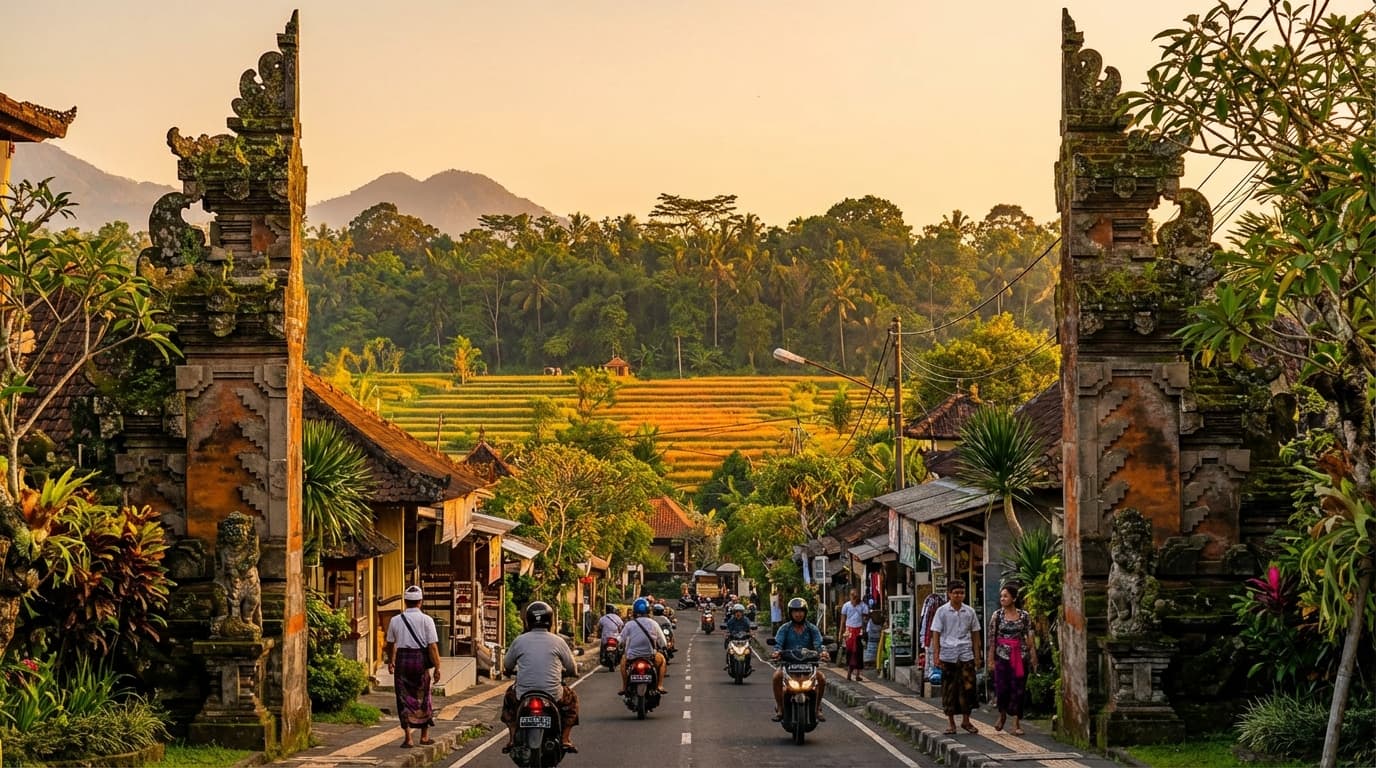
Ubud Travel Guide 2026: Temples, Rice Terraces and Culture
The moment you step into Ubud, you understand why this hillside town has become the spiritual and cultural heart of Bali. Surrounded by emerald rice terraces that cascade down volcanic slopes, Ubud pulses with a different energy than the beach resorts of Seminyak or Kuta — it's slower, more introspective, and deeply rooted in Balinese tradition. During our two years living here, we discovered that Ubud isn't just a destination; it's a living, breathing cultural experience that rewards those who venture beyond the main streets.
Key Takeaways
| Question | Answer |
|---|---|
| What is the best time to visit Ubud? | April to October (dry season) offers clear skies and ideal temple-hopping weather. Avoid November–March rainy season. |
| How much does it cost? | Budget travelers: $25–40/day; mid-range: $60–120/day; luxury: $150+/day (accommodation, food, activities included). |
| How do I get there? | From Denpasar Airport: 1.5–2 hours by private driver (~IDR 400,000–600,000) or shuttle service. See Airport to Ubud transport. |
| Is it safe? | Very safe. Petty theft in crowded markets is the main concern. Use common sense with valuables; violent crime is extremely rare. |
| What should I book in advance? | Popular restaurants (especially dinner), villa accommodations during peak season, and temple tours with guides. |
| What's the local currency? | Indonesian Rupiah (IDR). 1 USD ≈ 15,000–16,000 IDR. ATMs are plentiful; card payments accepted at most restaurants. |
| Do I need a visa? | Most nationalities qualify for visa-free entry for 30 days or can obtain Visa on Arrival on arrival. |
1. Understanding Ubud's Neighborhoods
Ubud proper is a compact town centered around the main market and palace, but the greater Ubud area sprawls across several distinct neighborhoods, each with its own character. When we first explored Ubud, we were surprised by how quickly the tourist-heavy central streets gave way to quiet rice paddies and traditional villages. Understanding these zones helps you choose where to stay and how to spend your time.
The central core — around Jalan Raya Ubud and the market — is where you'll find the most restaurants, shops, and tourists. It's vibrant but can feel crowded, especially during peak hours. Just north, the Campuhan Ridge area offers a more peaceful vibe with guesthouses, cafes, and the famous Campuhan Walk. To the east, Penestanan is beloved by digital nomads and long-term travelers for its blend of culture and modern amenities. The Tegallalang region, famous for its rice terraces, sits about 10km north and is best visited as a day trip or with a stay in one of the hillside villas.
Central Ubud & the Market
The heart of Ubud revolves around Pasar Ubud (Ubud Market), a sensory explosion of colors, sounds, and smells. This isn't a tourist market — it's where locals buy produce, textiles, and offerings for daily ceremonies. The ground floor is produce; the upper floors sell fabrics, handicrafts, and souvenirs. In our experience, arriving early (before 9 AM) gives you the most authentic experience and the best light for photography.
Just south of the market sits Ubud Palace (Puri Saren Agung), the official residence of Ubud's royal family. The palace is partially open to visitors, and its courtyards reveal intricate Balinese architecture and daily offerings. The energy here is palpably spiritual — this is an active ceremonial space, not a museum.
Campuhan Ridge & Penestanan
The Campuhan Ridge Walk is a 2km loop that descends into a lush valley and climbs back up — it's best done at sunrise when mist clings to the rice paddies and you'll encounter fewer tourists. The trail connects Ubud's center to Penestanan, a neighborhood that has transformed in recent years. Penestanan now hosts excellent cafes, coworking spaces, and mid-range accommodations, making it ideal if you want culture without the central market chaos.
Tegallalang Rice Terraces
About 10km north, the Tegallalang rice terraces are Ubud's most photographed landscape. The emerald-green, stepped paddies are genuinely stunning, but they've become increasingly commercialized. When we visited during the off-season, we found quieter sections by walking beyond the main viewpoint. Several villas and restaurants now overlook the terraces, and some offer swing experiences (which we'd recommend trying at least once, despite the tourist-trap reputation).
2. Top Temples & Spiritual Sites
Ubud is home to some of Bali's most important temples, each reflecting different aspects of Balinese Hindu spirituality. Unlike the crowded tourist temples of Uluwatu, many of Ubud's sacred sites remain relatively quiet and deeply spiritual. We've spent countless mornings at these temples, and the experience of witnessing daily offerings and ceremonies is profoundly moving.
Did You Know? Bali's Hindu population practices a unique syncretic form of Hinduism blended with Buddhism and indigenous animism, with over 87% of Bali's 4 million people identifying as Hindu.
Source: Indonesia Ministry of Tourism
Goa Gajah (Elephant Cave Temple)
Goa Gajah, located just outside central Ubud, is one of Bali's oldest temples, dating to the 11th century. The entrance is carved into a massive stone face — the "elephant" (though some say it represents a demon). Inside, you'll find a meditation cave, ancient stone carvings, and a bathing pool fed by sacred springs. The temple is less crowded than Tanah Lot or Uluwatu, making it ideal for contemplative visits.
Entrance fee: IDR 30,000 (approximately $2 USD)
Best time: Early morning (7–8 AM) before tour groups arrive
Dress code: Sarongs required (available for rent at entrance)
Pura Saraswati (Saraswati Temple)
Dedicated to Saraswati, the goddess of knowledge and the arts, this temple sits in the heart of Ubud and is surrounded by a lotus pond. The main shrine features intricate stone carvings and is particularly beautiful during sunset. Unlike many temples, Pura Saraswati is easily accessible and welcomes visitors respectfully. We've attended evening dance performances here — the combination of temple architecture, lotus flowers, and traditional Balinese dance creates an unforgettable atmosphere.
Entrance fee: IDR 20,000–30,000
Evening performances: Check locally for schedules; typically 7–8 PM
Pura Tirta Empul (Holy Spring Temple)
About 15km northeast of Ubud, Pura Tirta Empul is a water temple built around natural springs believed to have healing properties. Visitors can bathe in the sacred pools (bring a sarong or wear modest swimwear). The temple is less touristy than its reputation suggests if you arrive early. The spring water is refreshingly cool and the spiritual atmosphere is genuine — locals come here for purification rituals.
Entrance fee: IDR 30,000
Best time: 6–7 AM or after 4 PM
Pro tip: Bring a change of clothes; the water is cold but invigorating
Pura Goa Lawah (Bat Cave Temple)
While technically in Gianyar (about 30km southeast), this temple is often included in Ubud day tours. Thousands of bats roost in the cave above the temple, creating an otherworldly sight. The temple itself is atmospheric, though the bat guano smell is... memorable. It's worth visiting as part of a broader eastern Bali exploration.
Skip the hassle — book Bali day trips, surf lessons, temple tours, and experiences in advance with instant confirmation.
Browse Activities on Klook →3. Rice Terraces & Agricultural Landscapes
The rice terraces surrounding Ubud are more than just scenic backdrops — they represent centuries of Balinese agricultural engineering and spiritual connection to the land. The subak system (traditional irrigation network) is a UNESCO World Heritage site, and walking through these paddies offers insight into how Balinese communities have sustained themselves for generations.
Tegallalang Terraces (North Ubud)
Compare villas, resorts, and guesthouses across Bali with free cancellation on most bookings.
Search Hotels on Booking.com →The most famous rice terraces, Tegallalang, are about 10km north. The views are genuinely spectacular, especially during planting season (January–March) when the paddies are bright green, or harvest season (July–September) when they turn golden. Several restaurants and cafes overlook the terraces, and you can hire a guide to walk you through the paddies and visit a traditional rice farmer's home.
How to visit:
- By scooter: Rent from central Ubud (IDR 50,000/day) and drive north on Jalan Raya Tegallalang
- By tour: Book through your accommodation or a tour operator (IDR 300,000–500,000 for half-day)
- Best time: Early morning or late afternoon for photography
Ceking Rice Fields
Just north of central Ubud, the Ceking rice fields are less crowded than Tegallalang and offer authentic views without the commercial infrastructure. A walk through Ceking takes you past traditional homes, small temples, and working paddies. Several excellent restaurants border these fields, allowing you to dine with rice terrace views without the tourist atmosphere.
Walking the Subak
If you want a deeper experience, hire a local guide to walk you through the subak irrigation system. You'll learn how water is distributed among paddies, visit family farms, and understand the spiritual significance of rice cultivation in Balinese culture. These walks typically take 2–3 hours and cost IDR 200,000–300,000 per person.
Discover the best guided tours and activities in Ubud, Seminyak, Canggu, Uluwatu and beyond.
Browse Tours on GetYourGuide →4. Cultural Experiences & Arts
Ubud is Indonesia's cultural capital, home to traditional dance, painting, woodcarving, and weaving. Unlike beach resorts, Ubud's cultural offerings are deeply embedded in daily life — you're not just watching performances, you're witnessing living traditions.
Traditional Dance Performances
Several venues offer nightly performances of Kecak dance (the famous "monkey chant"), Legong dance (graceful and hypnotic), and Barong dance (depicting the eternal battle between good and evil). Pura Saraswati hosts performances in a temple setting, which adds spiritual authenticity. Ubud Palace sometimes hosts performances in its courtyard, creating an intimate, royal atmosphere.
Typical costs: IDR 100,000–150,000 per person
Duration: 45–60 minutes
Booking: Reserve through your accommodation or directly at venues
Art Markets & Studios
Ubud Art Market (Pasar Seni) is where you'll find paintings, sculptures, textiles, and handicrafts. Prices are negotiable, and quality varies widely. We recommend spending time browsing and talking to artists — many studios are attached to the market, and you can watch creators at work. The market is less overwhelming than the main produce market and is genuinely a place where artists sell their work.
Open: Daily, roughly 8 AM–6 PM
Best for: Original paintings, woodcarvings, textiles
Cooking Classes
Ubud's culinary scene is excellent, and several cooking schools offer classes where you'll visit markets, learn about Balinese ingredients, and prepare traditional dishes. These classes typically run 4–5 hours and include lunch. During our time in Ubud, we took a cooking class and were amazed by the complexity of Balinese spice pastes and the philosophy behind balanced flavors.
Cost: IDR 350,000–500,000 per person
Popular options: Market tour + cooking class combinations
Booking: Ask your accommodation or search for "Ubud cooking class"
5. Where to Eat: Warungs to Fine Dining
Ubud's food scene is remarkably diverse — from humble warungs serving authentic Balinese food to internationally acclaimed restaurants run by expat chefs. The town has become a hub for digital nomads and wellness-focused travelers, resulting in excellent vegetarian and vegan options alongside traditional cuisine.
Traditional Warungs & Local Eats
Warung Bodag Maliah (and similar family-run warungs) serve authentic Nasi Campur (mixed rice with sides), Gado Gado, and Soto Ayam for IDR 30,000–50,000. These aren't tourist restaurants — locals eat here, and the food is genuine. In our experience, the best warungs are found by walking side streets away from Jalan Raya Ubud.
Pro tip: Eat where you see locals eating. If a warung is packed at lunch, the food is good and prices are fair.
Mid-Range Restaurants with Terrace Views
Several restaurants offer rice terrace views, good food, and reasonable prices:
- Karsa Kafe — Traditional Balinese cuisine in a garden setting overlooking rice paddies; mains IDR 60,000–120,000
- Warung Pulau Kelapa — Casual spot with Indonesian and Western options; excellent for lunch
- Sayan House — Contemporary Indonesian in a traditional compound; slightly pricier but excellent quality
Fine Dining & International
Mozaic Beach Club (technically in Seminyak but worth the drive) and Karsa Kafe's upscale sibling Karsa Kafe Ubud represent Ubud's fine dining scene. Expect creative takes on Balinese cuisine, excellent service, and prices of IDR 200,000–400,000+ per person. Reservations are essential.
Cafes & Breakfast Culture
Ubud has embraced cafe culture enthusiastically. Karsa Kafe, Sayan House, and countless smaller cafes serve excellent coffee, acai bowls, and pastries. Many are run by expats and cater to the digital nomad crowd, but they're genuinely good. A quality coffee costs IDR 30,000–50,000.
| Venue Type | Best For | Price Range | Vibe |
|---|---|---|---|
| Warung | Authentic local food, budget travel | IDR 30,000–60,000 | Casual, local |
| Mid-range Restaurant | Balanced food & views | IDR 80,000–150,000 | Relaxed, mixed crowd |
| Fine Dining | Special occasions, culinary experience | IDR 250,000–500,000+ | Upscale, reservations needed |
| Cafe | Breakfast, coffee, digital work | IDR 40,000–80,000 | Casual, WiFi-friendly |
Compare villas, resorts, and guesthouses across Bali with free cancellation on most bookings.
Search Hotels on Booking.com →6. Where to Stay: Villas, Guesthouses & Resorts
Ubud's accommodation ranges from budget guesthouses at IDR 100,000/night to luxury villas exceeding IDR 2,000,000/night. The neighborhood you choose significantly impacts your experience.
Budget Guesthouses (IDR 100,000–250,000/night)
Skip the hassle — book Bali day trips, surf lessons, temple tours, and experiences in advance with instant confirmation.
Browse Activities on Klook →Ubud has excellent budget options, particularly in Penestanan and around Campuhan. Karsa Kafe's guesthouses and similar family-run properties offer clean rooms, friendly staff, and proximity to restaurants and activities. During our stays, we found that budget guesthouses often felt more authentic than mid-range hotels — you're more likely to interact with owners and other travelers.
Best areas: Penestanan, Campuhan, Ubud center
Mid-Range Villas & Hotels (IDR 300,000–800,000/night)
This is where Ubud shines. Mid-range villas offer private pools, rice terrace views, and personalized service at reasonable prices. Properties like The Kayon Jungle Resort and similar mid-range options provide excellent value. Many include breakfast and offer spa services. During the dry season (April–October), book 2–4 weeks in advance.
Best areas: Tegallalang (for terrace views), Penestanan (for walkability), Ceking (for balance)
Luxury Resorts & Villas (IDR 1,000,000+/night)
Ubud has several luxury properties, though fewer than beach resorts. Mandapa, a Ritz-Carlton Reserve and similar high-end properties offer world-class service, fine dining, and spa facilities. These are ideal for special occasions or if you want pampering alongside cultural exploration.
Best areas: Tegallalang, Ubud outskirts (for privacy and views)
Practical Accommodation Tips
- Book direct when possible — Many villas offer better rates on their websites than through booking platforms
- Negotiate for longer stays — Monthly rates can be 20–30% cheaper than nightly rates
- Check WiFi quality — Essential if you're working remotely; ask specifically about speed
- Ask about airport transfers — Many villas include this; it's worth negotiating if not
7. Day Trips & Nearby Attractions
While Ubud itself offers weeks of exploration, several excellent day trips are within 1–2 hours' drive. The central Bali region offers diverse experiences from waterfalls to mountain temples.
Tegallalang & Ceking (30 minutes north)
We've already covered the rice terraces, but they deserve a full morning or afternoon. Combine terrace walks with lunch at a cafe overlooking the paddies.
Tirta Empul & Gunung Kawi (45 minutes northeast)
Visit the sacred spring temple (Tirta Empul) in the morning, then explore Gunung Kawi, an 11th-century temple complex carved into a cliff face. The walk down to Gunung Kawi is steep but rewarding — you'll see few tourists and the spiritual energy is palpable.
Combined cost: IDR 60,000 (temple fees) + transport
Tegenungan Waterfall (30 minutes east)
A refreshing waterfall with a natural pool. It's touristy but worth visiting, especially during the dry season when the water flow is moderate. Arrive early to avoid crowds.
Cost: IDR 15,000 entry + transport
Mount Batur Sunrise Trek (1.5 hours to trailhead)
A popular but challenging trek departing at 2–3 AM to reach the summit by sunrise. The views are spectacular, and the experience is memorable, though it's physically demanding. Tours typically cost IDR 300,000–500,000 per person and include breakfast.
Best time: April–October (dry season)
Difficulty: Moderate to challenging
8. Practical Information & Getting Around
Transportation
Within Ubud: The town is walkable, but distances are deceptive due to hills. Scooter rental (IDR 50,000–70,000/day) is popular, though traffic can be chaotic. Ride-hailing apps (Grab, Gojek) are reliable and cost IDR 20,000–50,000 for short trips.
To/from Airport: Airport to Ubud transport takes 1.5–2 hours. Private drivers cost IDR 400,000–600,000; shuttle services are cheaper but slower.
To nearby destinations: Hire a driver for the day (IDR 600,000–800,000) or book tours through your accommodation.
Money & Costs
The Indonesian Rupiah (IDR) is the currency. ATMs are plentiful in central Ubud. Credit cards are accepted at most restaurants and hotels, but cash is essential for warungs and markets. Prices in this guide are current as of early 2026, but always verify locally.
Daily budget breakdown (mid-range traveler):
-
Accommodation: IDR 400,000–600,000
-
Activities & transport: IDR 150,000–300,000
-
Total: IDR 700,000–1,150,000 (~$47–77 USD)
Internet & Connectivity
WiFi is widely available in cafes, restaurants, and accommodations. For mobile data, purchase a local SIM card or eSIM from providers like Telkomsel or Indosat. A 10GB monthly plan costs around IDR 100,000–150,000.
Get an Indonesia eSIM before you land. No physical SIM needed — activate instantly on your phone.
Get Saily eSIM for Indonesia →Health & Safety
Ubud is very safe. Petty theft (bag snatching) can occur in crowded markets, but violent crime is virtually non-existent. Tap water isn't safe to drink — use bottled water. Pharmacies are plentiful, and several clinics cater to tourists. Travel insurance is recommended.
Cultural Etiquette
- Dress respectfully: Cover shoulders and knees when visiting temples
- Remove shoes: When entering temples and many homes
- Offer with right hand: Giving and receiving is done with the right hand
- Don't point at people: Use an open hand gesture instead
- Respect ceremonies: If a ceremony is occurring, observe quietly and don't photograph without permission
Learn more in our Bali cultural etiquette guide.
Best Time to Visit
Dry season (April–October): Clear skies, ideal for trekking and temple visits. Peak tourist season is July–August.
Wet season (November–March): Lush landscapes, fewer tourists, lower prices. Rain typically falls in afternoon bursts. Humidity is higher.
Best months: April–May and September–October offer good weather with fewer crowds.
Book accommodations and restaurants 2-4 weeks in advance during April-October. Dry season fills up quickly, especially on weekends.
9. Sample Itineraries
1-Day Ubud Itinerary
Morning (7–11 AM):
- Sunrise walk on Campuhan Ridge (2km, 1 hour)
- Breakfast at a cafe in Penestanan
- Visit Pura Saraswati temple (30 minutes)
Midday (11 AM–2 PM):
- Explore Ubud Market and Art Market
- Lunch at a warung or mid-range restaurant
Afternoon (2–6 PM):
- Visit Goa Gajah (Elephant Cave Temple)
- Walk through Ceking rice fields
- Relax at a cafe with rice terrace views
Evening (6 PM+):
- Dinner at a restaurant with terrace views
Book fast boats, shuttles, ferries, and transfers between Bali, Nusa islands, Gili, and Java easily online.
Book Transport on 12Go →- Optional: Traditional dance performance at Pura Saraswati (7 PM)
3-Day Ubud Itinerary
Day 1:
- Arrive and settle into accommodation
- Afternoon: Explore central Ubud, markets, and Pura Saraswati
- Evening: Dinner and traditional dance performance
Day 2:
- Early morning: Campuhan Ridge Walk
- Morning: Goa Gajah temple
- Midday: Cooking class or market tour
- Afternoon: Rest or visit Ubud Art Market
- Evening: Dinner in Penestanan or Ceking
Day 3:
- Full day: Tegallalang rice terraces + Tirta Empul temple
- Alternatively: Mount Batur sunrise trek (depart 2 AM, return by noon)
- Afternoon: Last-minute shopping or cafe time
- Evening: Departure or extend stay
Did You Know? Ubud's population is approximately 30,000, but it receives over 2 million visitors annually, making it one of Indonesia's top tourist destinations despite its small size.
Source: Bali Tourism Board
10. Insider Tips & Avoiding Tourist Traps
What to Skip
- Monkey Forest during peak hours: It's crowded and the monkeys can be aggressive. Visit early morning or late afternoon, and don't carry loose items
- Tegallalang main viewpoint: Walk 10 minutes beyond the main area for quieter, equally beautiful views
- Overpriced "traditional" restaurants on main streets: Walk one block away and prices drop 30–50%
- "Authentic" craft workshops: Many are tourist traps with inflated prices. Buy from individual artists or the art market
What to Do
- Visit during shoulder season (April–May, September–October): You get good weather with fewer crowds
- Hire a local guide: For temples and cultural sites, a guide (IDR 300,000–500,000/day) adds immense depth to your experience
- Eat where locals eat: Follow the crowds at lunch, not dinner
- Learn basic Indonesian phrases: "Terima kasih" (thank you) and "Berapa harganya?" (how much?) go a long way
- Respect temple ceremonies: If you encounter a ceremony, step aside and observe respectfully
Photography Tips
- Rice terraces: Best light is early morning (6–8 AM) or late afternoon (4–6 PM)
- Temples: Arrive early before crowds; ask permission before photographing people
- Markets: The energy is best before 9 AM
- Swing photos: Go early or late to avoid crowds; the swings are genuinely fun, not just Instagram props
Frequently Asked Questions
How long should I spend in Ubud?
We recommend 3–5 days minimum to experience temples, rice terraces, and cultural sites without feeling rushed. Two weeks allows for deeper exploration, cooking classes, and day trips. Many digital nomads stay 1–3 months.
Is Ubud expensive?
Ubud is affordable by international standards. Budget travelers can live on $25–40/day; mid-range travelers spend $60–120/day. Luxury travelers can spend $150+/day. Food and accommodation are cheap; activities and tours are moderately priced.
What's the best way to get around Ubud?
Walking is ideal for the town center. Rent a scooter for day trips (IDR 50,000/day) if you're comfortable riding. Ride-hailing apps (Grab, Gojek) are convenient and affordable. Hire a driver for full days (IDR 600,000–800,000).
Can I visit Ubud as a day trip from Seminyak or Kuta?
Technically yes, but it's not ideal. The 1.5–2 hour drive each way eats into your time. We recommend staying at least one night in Ubud to experience the slower pace and evening activities like temple performances.
What should I pack for Ubud?
- Lightweight, breathable clothing (it's warm and humid)
- Comfortable walking shoes (lots of hills and uneven paths)
- Sarong or lightweight scarf (required for temples)
- Sunscreen and hat
- Insect repellent (mosquitoes, especially in wet season)
- Power adapter (220V, Type C/I plugs)
- Reusable water bottle (tap water isn't safe to drink)
Is it safe to travel alone in Ubud?
Yes, Ubud is very safe for solo travelers. The town is walkable, welcoming, and full of other travelers. Many solo travelers stay for weeks. Use normal precautions with valuables in crowded markets, but violent crime is virtually non-existent.
Conclusion
Ubud is Bali's soul — a place where ancient traditions thrive alongside modern travelers seeking authentic experiences. Whether you're exploring sacred temples, walking through emerald rice terraces, learning to cook Balinese food, or simply sitting in a cafe watching the world pass by, Ubud rewards curiosity and presence.
During our years in Bali, we've returned to Ubud countless times, and each visit reveals something new. The town moves at its own pace, and the best experiences come when you slow down enough to notice them.
Ready to plan your Ubud adventure? Browse our Ubud hotels and villas, explore Ubud attractions, or check out our complete Bali travel guide for tips on visiting other regions.
Trust us: Ubud isn't just a destination — it's a transformation. Come with an open heart, and you'll understand why so many travelers call it home.
Sources & References

Go2Bali Team
Travel Writer at Go2Bali
- ●Bali travel experts
- ●Locally verified information
- ●Regular content updates
The Go2Bali team shares local insights, practical travel tips, and in-depth guides to help you explore Bali like a seasoned traveler.
More about usRelated Articles
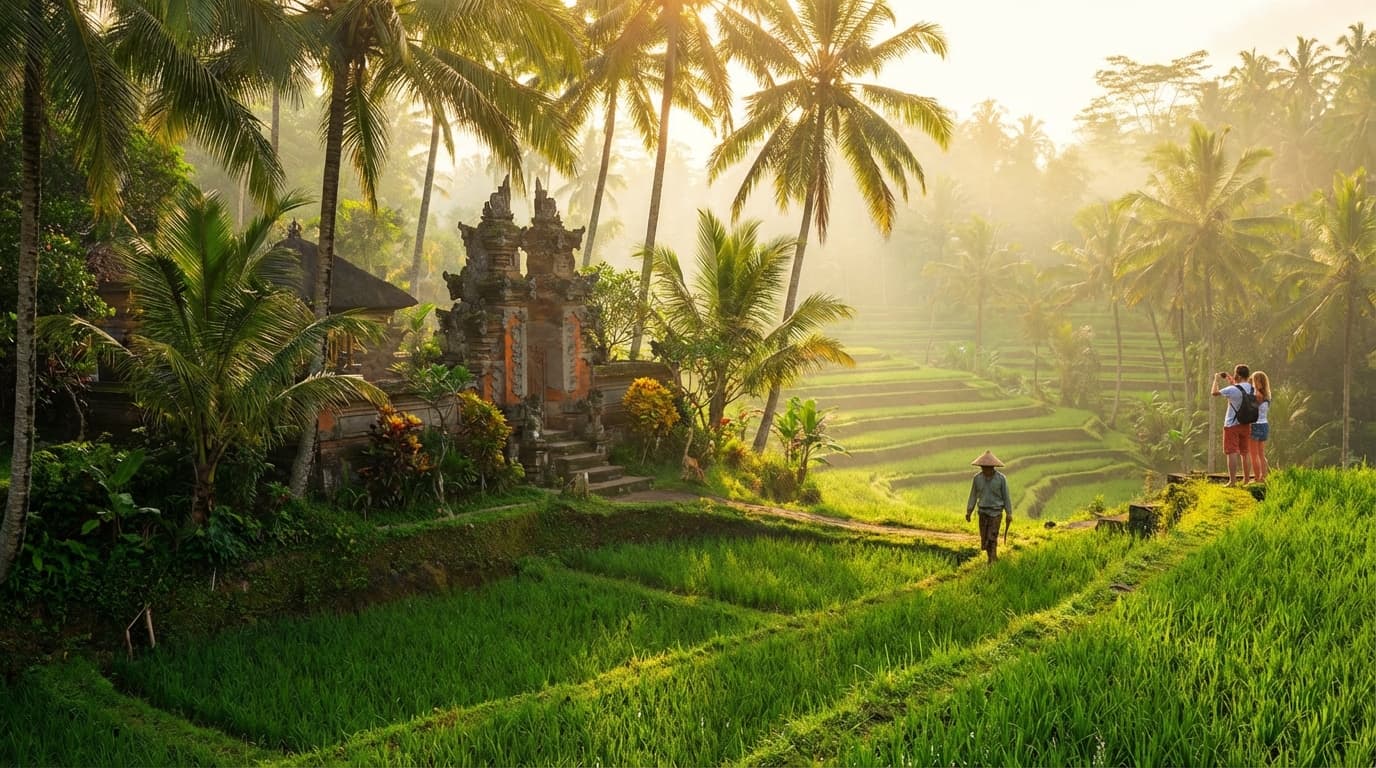 guides
20 Most Instagrammable Places in Bali (with Map)
Plan your Bali photography journey with this guide to the 20 most stunning photo spots on the island. Includes GPS coordinates, best times for light, entry fees, and tips to avoid crowds at each location.
11 min read
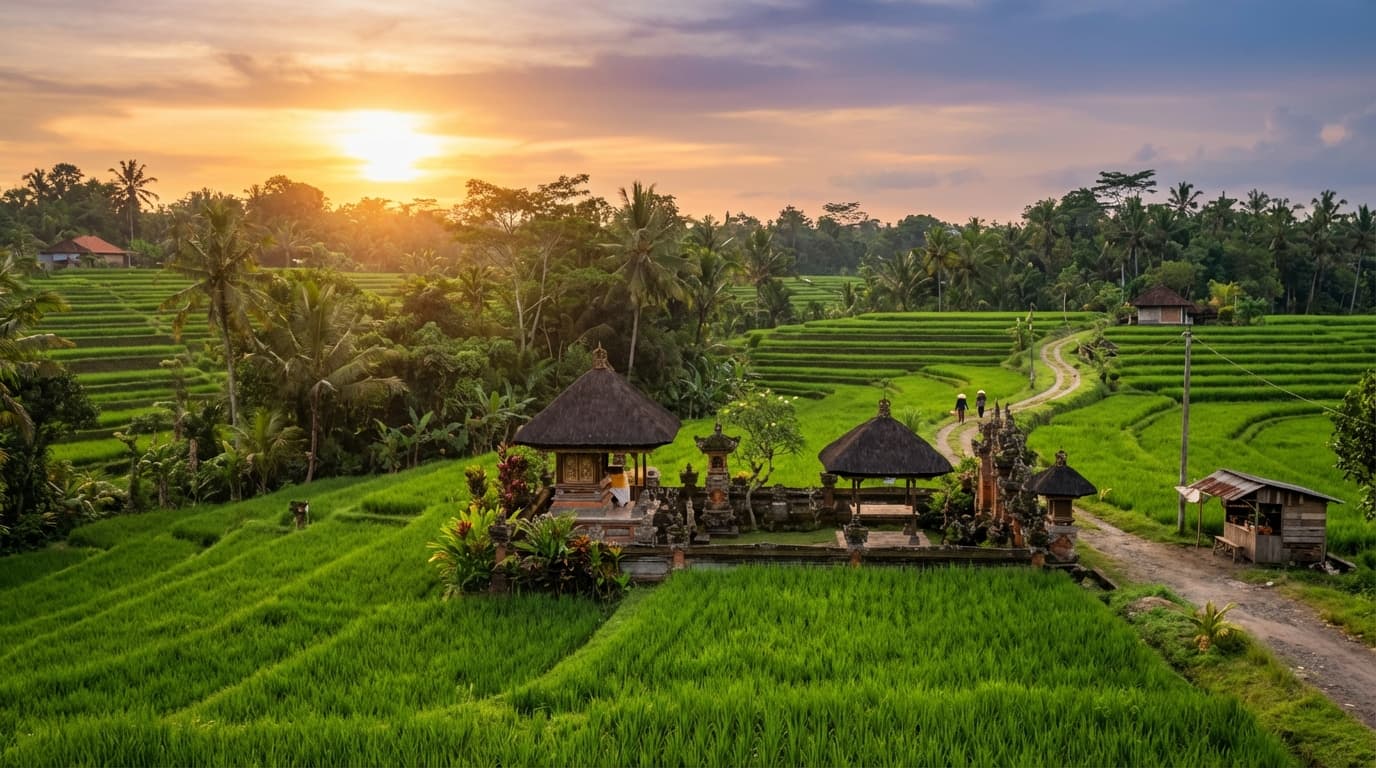 nature
5 Most Beautiful Rice Terraces in Bali (Beyond Tegallalang)
Discover Bali's most stunning rice terraces beyond the crowded Tegallalang. This guide covers 5 breathtaking rice terrace locations with directions, entry fees, best times to visit, and photography tips.
10 min read
 travel tips
Best Things to Do in Bali | Complete Guide
Discover the best things to do in Bali, from surfing and temple exploration to rice terrace hikes and island hopping adventures. Your complete guide awaits.
10 min read
Plan Your Bali Trip
Book hotels, tours, and transport through our trusted partners and get the best deals for your Bali adventure.