Bali: Silver Jewelry Making Class in Kuta or Uluwatu
Overview
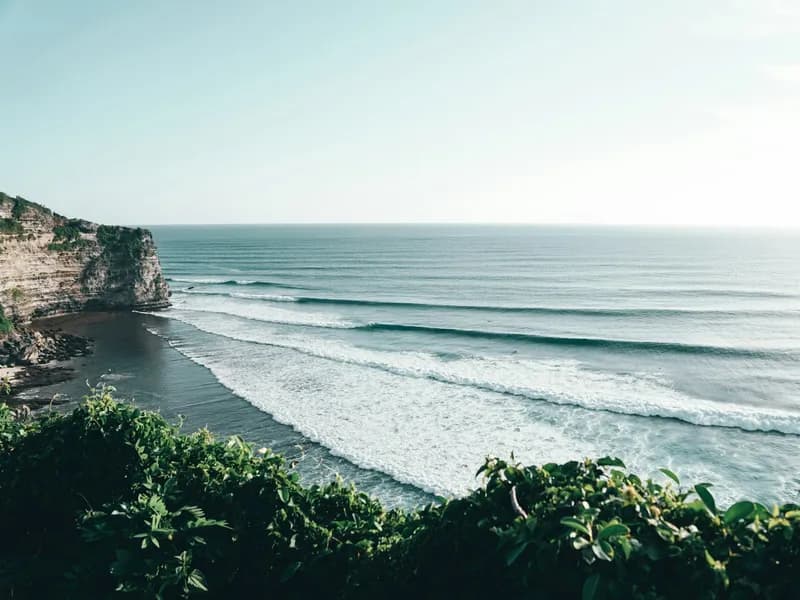
This 3-hour silver jewelry-making class is offered at two distinct locations: Kuta, in Bali's high-activity southern tourist district near the airport, and Uluwatu (specifically the Bingin and Pecatu area on the Bukit Peninsula), which has a more relaxed, clifftop surf-village atmosphere. The content of the class is the same at both venues — the choice comes down to which area you're staying in or which landscape you prefer working in.
The Uluwatu location, run through studios like Bingin Silver Class in the Seminyak-to-Uluwatu corridor, sits among boutique cafes, surf shops, and open-air spaces that face the southwest coast. The Kuta studio is more urban and accessible — five minutes from most Kuta and Legian hotels, easy to incorporate into a half-day before exploring the beach strip.
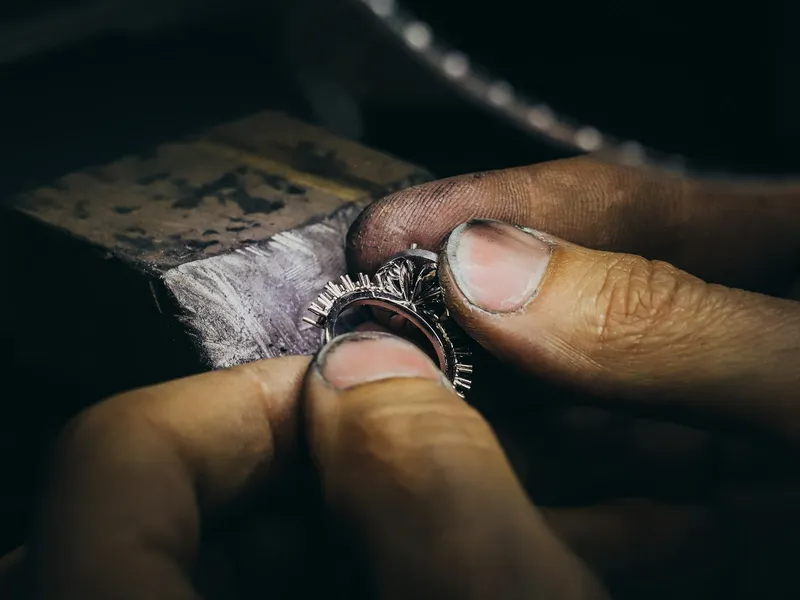
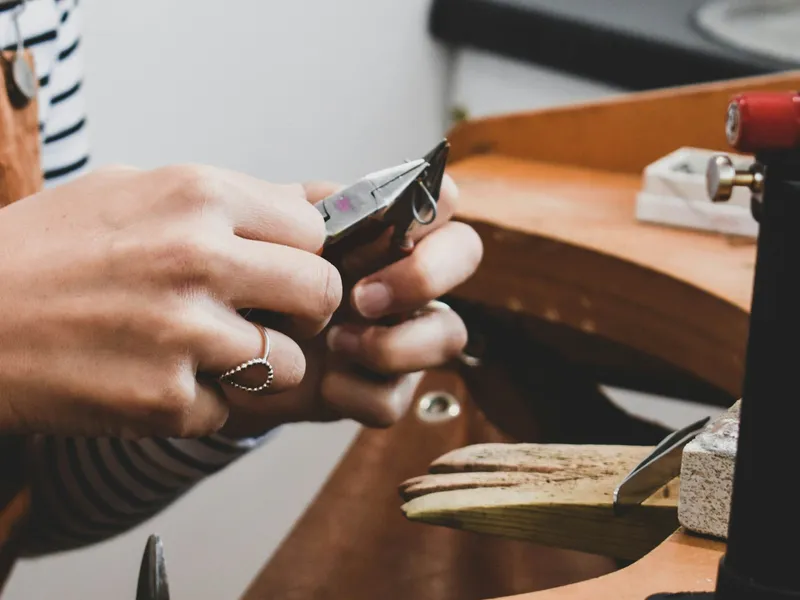
The 3-hour format is a practical commitment: long enough to go through the full silversmithing cycle — measuring, cutting, shaping, joining, and polishing — without feeling rushed. You'll work with 925 sterling silver or pure Indonesian silver (operators use quantities typically between 3 and 7 grams). Instructors demonstrate the technique for each step, then hand control to you. This is not a stamp-and-go activity — you're filing, sawing, and shaping metal with actual tools.
The most popular beginner pieces are rings, because the shape is forgiving and satisfying to complete in one session. Pendants are also common. More complex pieces with multiple joined components require more time or prior experience — the instructor will advise if your design is realistic in three hours.
At a 4.9-star rating from 380 reviews, the class consistently produces wearable results even from people with zero craft background. The finish quality depends heavily on the polishing stage — don't rush it. Reviews frequently cite the instructor patience and the surprise of how professional the final piece looks as the standout elements.
Highlights
What's Included
- Silver materials
- Tools and instruction
- Finished jewelry piece
What to Bring
- Light, comfortable clothing that you don't mind getting marks on
- Closed-toe shoes or sandals for safety around tools and materials
- A small notebook to jot down techniques or designs
- Your phone or camera to photograph your finished piece
- Water bottle to stay hydrated in Kuta's tropical heat
- Sunscreen if you're arriving early or staying in the area afterward
Tips
Arrive 10-15 minutes early to settle in and ask the instructor about their signature techniques—many artisans have unique styles they're proud to share
Pay close attention during the hammering and shaping demonstrations, as hand techniques are difficult to learn from photos alone and this is where personalization happens
Consider the design and weight of your piece carefully before you start—intricate designs take longer, so keep it moderately simple if this is your first time working with metal
Ask your instructor about the silver content and care tips for your finished jewelry before leaving so you can maintain it properly
Bring a small bag or padding to safely transport your finished piece back to your accommodation
What to Expect
Pickup & Workshop Arrival
Hotel pickup in Kuta or Uluwatu area (typically 15-30 minutes depending on location). You'll arrive at the workshop studio, usually a traditional Balinese space with open work areas and displays of finished pieces.
Introduction & Design Selection
Meet your instructor and receive a warm welcome with traditional Balinese hospitality. Browse design options or sketch your own concept. The instructor will help you select an appropriate design based on your skill level and the 3-hour timeframe.
Silver Preparation & Basic Techniques
Learn about the properties of the silver you'll be using. Receive hands-on instruction in fundamental techniques: measuring, cutting, filing, and initial shaping. The instructor demonstrates each step before you practice on your own materials.
Shaping & Forming Your Piece
Use traditional tools—hammers, anvils, and specialized shaping implements—to form your jewelry. This is the core creative work where your design comes to life. Your instructor provides guidance and adjustments as needed throughout the process.
Finishing & Polishing
Learn finishing techniques including filing rough edges, sanding, and polishing your piece to bring out the silver's natural shine. This stage transforms your work into a refined final product.
Final Details & Return
Add any final touches, engravings, or embellishments if desired. Receive your completed jewelry piece, care instructions, and typically a certificate of completion. Return transfer to your Kuta or Uluwatu accommodation concludes the experience.
Best Time to Go
Morning sessions (9:00-10:00 AM starts) are ideal as you'll have better natural light in the workshop, less heat fatigue during the physical work of hammering and shaping, and can enjoy the rest of your day afterward. Kuta's tropical climate means afternoon temperatures peak around 2-3 PM, making physically demanding workshop activity more tiring. Book during the dry season (April-October) for the most comfortable overall experience in Kuta, though the workshop operates year-round regardless of weather.
Frequently Asked Questions
Safety Information
This activity involves working with metal tools, hammers, and sharp implements, so proper attention to safety is essential. The workshop will provide guidance on correct hammer striking technique and safe tool handling to prevent accidental strikes to your hands or fingers. Always wear closed-toe shoes as metal shavings and small pieces can fall during the shaping process. Pay close attention to your instructor's demonstrations on tool safety before you begin working—improper striking technique can damage your piece and cause injury. The workshop provides a safe, controlled environment with proper work surfaces and ventilation. If you have any hand injuries, arthritis, or conditions affecting fine motor control, inform your instructor beforehand, as some techniques require steady hands and controlled striking motions.
Related Activities

Book This Activity
Book Bali: Silver Jewelry Making Class in Kuta or Uluwatu through our trusted partners and get the best prices.