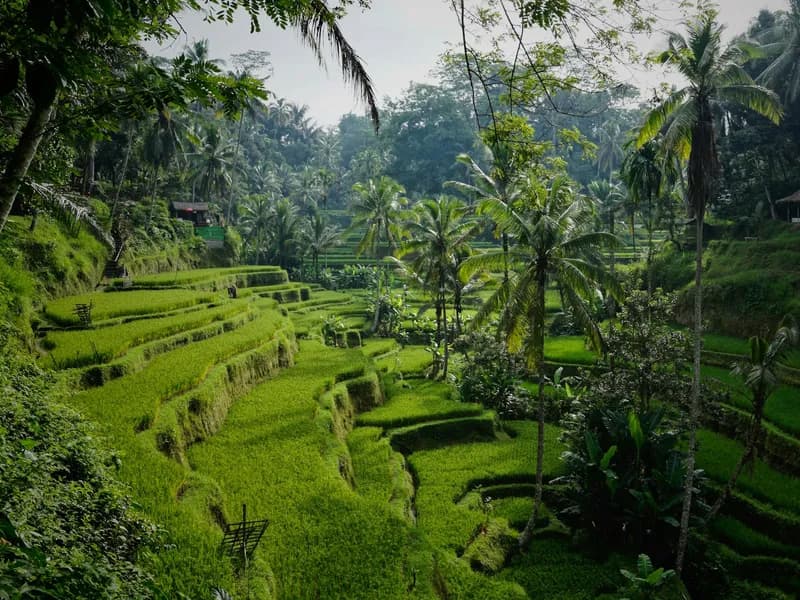
Bali: Making Canang Sari Make Offering for Ritual Bali
Overview
Canang Sari making is a deeply spiritual cultural experience that offers visitors a genuine window into Balinese Hindu daily rituals and practices. During this 1.5-hour hands-on workshop in Canggu, you'll learn to craft these intricate small offerings from scratch using fresh flowers, coconut leaves, and rice, guided by experienced instructors who explain the spiritual significance of each element. These colorful offerings are placed daily at temples, homes, and businesses throughout Bali as expressions of gratitude and devotion, making this activity one of the most authentic ways to connect with Balinese spirituality and ritual traditions.
What makes this experience special is its accessibility and depth—you don't need any prior knowledge or artistic ability to participate. The workshop provides all materials needed, and by the end of the session you'll have created your own completed offering to take home. Rated 5 stars by participants, this activity is perfect for culture enthusiasts, spiritual seekers, families wanting to teach children about different traditions, and travelers seeking meaningful interactions beyond typical tourist attractions. At approximately 395,000 IDR (USD $25), it's an affordable yet profoundly enriching cultural immersion.
The intimate group setting in Canggu allows for personalized instruction and the opportunity to ask questions about Balinese beliefs, the role of offerings in daily life, and how these practices connect to the broader Hindu philosophy practiced on the island.
Highlights
What's Included
- Materials
- Instruction
- Completed offering
What to Bring
- Comfortable clothing that allows for sitting on the floor or at a low table
- Camera or smartphone to document your finished offering
- Water bottle to stay hydrated during the workshop
- Small bag or container to safely carry your completed offering home
- Any questions about Balinese culture and spirituality
Tips
Arrive 10-15 minutes early to settle in and ask any preliminary questions about the offerings and their significance before the workshop begins
Pay close attention to the instructor's hand movements and folding techniques during demonstrations, as these details are important for the structural integrity and aesthetic of the offering
Don't worry about perfection—instructors emphasize that the spiritual intention behind the offering matters more than its appearance, so relax and enjoy the creative process
Ask your instructor about the best ways to use or present your offering, whether you plan to leave it at a local temple, use it in a personal ritual, or display it as a keepsake
Consider visiting a local temple before or after the workshop to see how these offerings are actually used in Balinese religious practice
What to Expect
Arrival and Welcome
Arrive at the workshop location in Canggu and be greeted by your instructor. Receive a brief overview of what you'll be learning and the cultural significance of Canang Sari in Balinese daily life and spirituality.
Introduction to Materials and Symbolism
Learn about the materials you'll be working with—fresh flowers, coconut leaves, rice, and incense—and discover the spiritual meaning each element represents in Balinese Hindu offerings and rituals.
Hands-On Instruction and Folding Techniques
Work through the step-by-step process of folding palm leaves, arranging flowers, and assembling your Canang Sari with personalized guidance from your instructor. Practice the traditional folding and placement techniques.
Decorating Your Offering
Add the finishing touches to your offering by selecting and placing flowers, herbs, and rice in traditional patterns that represent gratitude, prosperity, and spiritual devotion.
Completion and Cultural Discussion
Finish your completed offering and engage in discussion about how these offerings are used in Balinese temples, homes, and businesses, and what role they play in daily spiritual practices.
Takeaway and Reflection
Receive your finished Canang Sari to take home and reflect on what you've learned about Balinese culture, spirituality, and the importance of daily rituals in Hindu practice.
Best Time to Go
Early morning workshops (7-9 AM) are ideal as they align with the actual practice of making daily offerings in Bali and provide the freshest flowers and most serene atmosphere. Avoid visiting during peak afternoon heat (12-3 PM) when workshops may feel uncomfortable. Any time of year works well for this indoor activity, though the dry season (May-September) offers slightly more comfortable conditions for sitting and working with fresh materials.
Frequently Asked Questions
Safety Information
This is a very safe, low-risk activity that takes place in a controlled workshop environment. The materials used—fresh flowers, palm leaves, and rice—are all natural and pose no health hazards. However, be aware that some people may have plant allergies; inform your instructor if you have sensitivities to flowers or plant materials. The workshop involves hand work and sitting for 1.5 hours, so those with joint issues or back problems should bring cushions or inform the instructor of any comfort needs. Workshop areas may have limited air conditioning, so wear light, breathable clothing and stay hydrated. If you're pregnant or have specific health conditions, check with the instructor beforehand about any accommodations needed.
Related Activities
Book This Activity
Book Bali: Making Canang Sari Make Offering for Ritual Bali through our trusted partners and get the best prices.